
The Evolution of Modern Architecture in the UK: A Comprehensive Guide


Introduction to Modern Architecture
Modern architecture in the UK has undergone significant transformations since the early 20th century. This evolution reflects changes in technological advancements, cultural shifts, and environmental considerations. From minimalist designs to sustainable structures, the journey of modern architecture is both fascinating and complex.

The Early 20th Century: A New Beginning
The early 1900s marked the beginning of modern architecture in the UK, influenced heavily by movements like the Bauhaus and the International Style. Architects started to experiment with new materials such as steel and concrete, paving the way for innovative and functional designs.
Key architects like Walter Gropius and Le Corbusier played a pivotal role in this era, advocating for simplicity and efficiency in building designs. Their work emphasized the use of geometric forms and open spaces, setting the stage for modern architecture.
Post-War Innovations
After World War II, there was a pressing need for housing and infrastructure development. This period saw the rise of Brutalism, characterized by bold, block-like structures made of raw concrete. Although initially controversial, Brutalism became a symbol of strength and resilience.
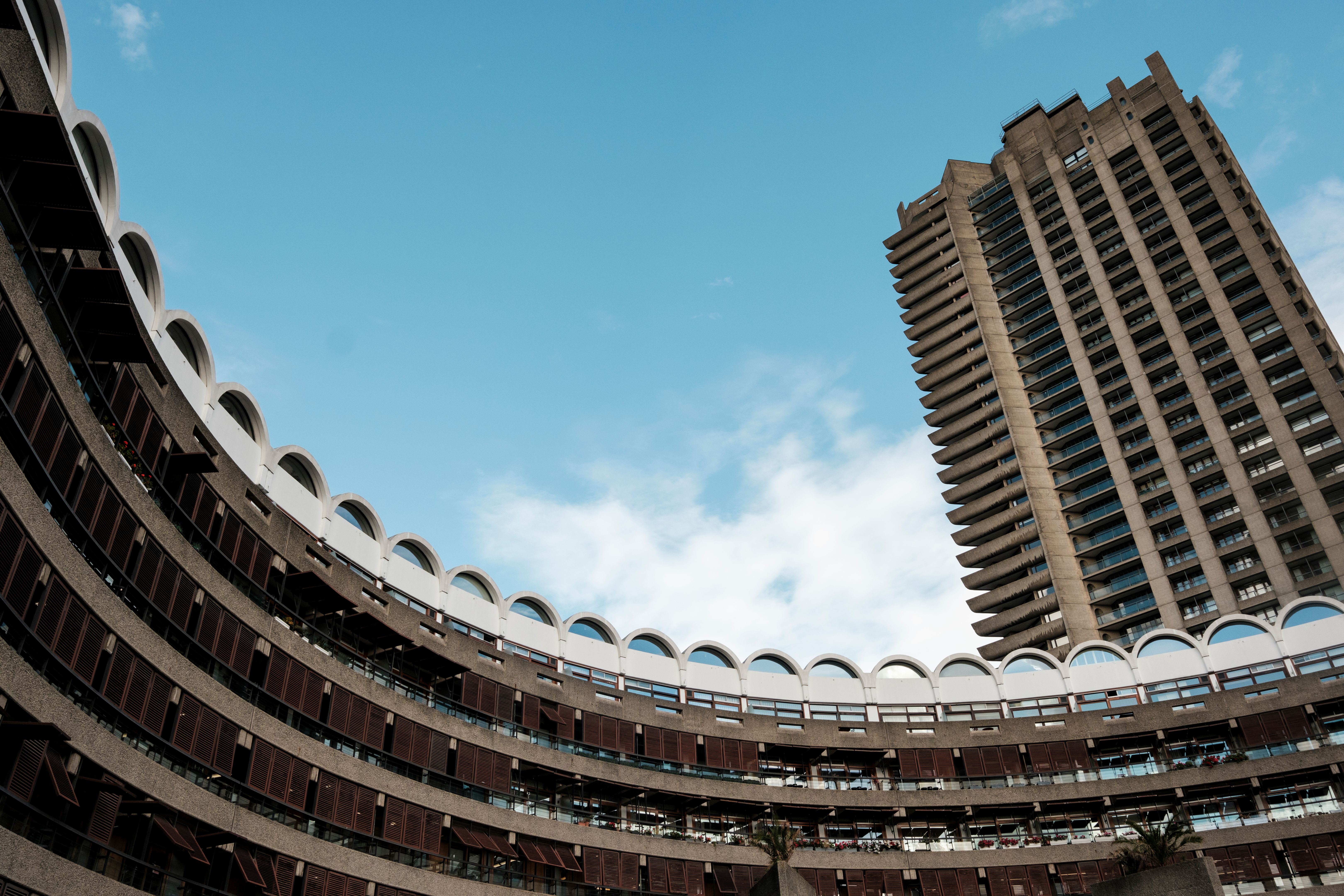
During this time, architects like Alison and Peter Smithson emerged, focusing on community-centric designs. Their work aimed to create functional spaces that addressed social needs, influencing urban planning and public housing projects.
The Rise of High-Tech Architecture
In the 1970s and 1980s, the UK saw the advent of high-tech architecture, characterized by the use of advanced technology and industrial materials. This movement focused on transparency, flexibility, and innovation.
Renowned architects like Richard Rogers and Norman Foster introduced iconic structures such as the Lloyd's Building and the HSBC Tower, which highlighted the aesthetic appeal of exposed structures and mechanical components.

Contemporary Trends and Sustainability
Today, modern architecture in the UK is defined by sustainability and environmental consciousness. Architects are increasingly incorporating eco-friendly materials and energy-efficient designs into their projects.
Green roofs, solar panels, and rainwater harvesting systems are becoming standard features in modern buildings. This shift towards sustainability reflects a growing awareness of environmental issues and a commitment to reducing carbon footprints.
The Role of Technology in Modern Architecture
Technology continues to play a crucial role in shaping modern architecture. The use of Building Information Modeling (BIM) and virtual reality allows architects to create precise and efficient designs while minimizing waste.

These technological advancements not only enhance design accuracy but also improve collaboration among architects, engineers, and clients, leading to more innovative and successful projects.
Iconic Modern Structures in the UK
The UK is home to numerous iconic modern structures that showcase the evolution of architectural styles. Some notable examples include The Shard, the Gherkin, and the Sage Gateshead. These buildings highlight the fusion of aesthetics, functionality, and sustainability.
Each structure exemplifies the creativity and vision of modern architects, setting benchmarks for future architectural endeavors.
Conclusion: The Future of Modern Architecture
The evolution of modern architecture in the UK is a testament to the dynamic nature of design and innovation. As architects continue to push boundaries, the future promises even more groundbreaking and sustainable structures.
Embracing new technologies and sustainable practices will ensure that modern architecture remains a vital and influential part of the UK's cultural and urban landscape.