Sustainable Building Practices: A Deep Dive into Eco-Friendly Construction in the UK


Understanding Sustainable Building Practices
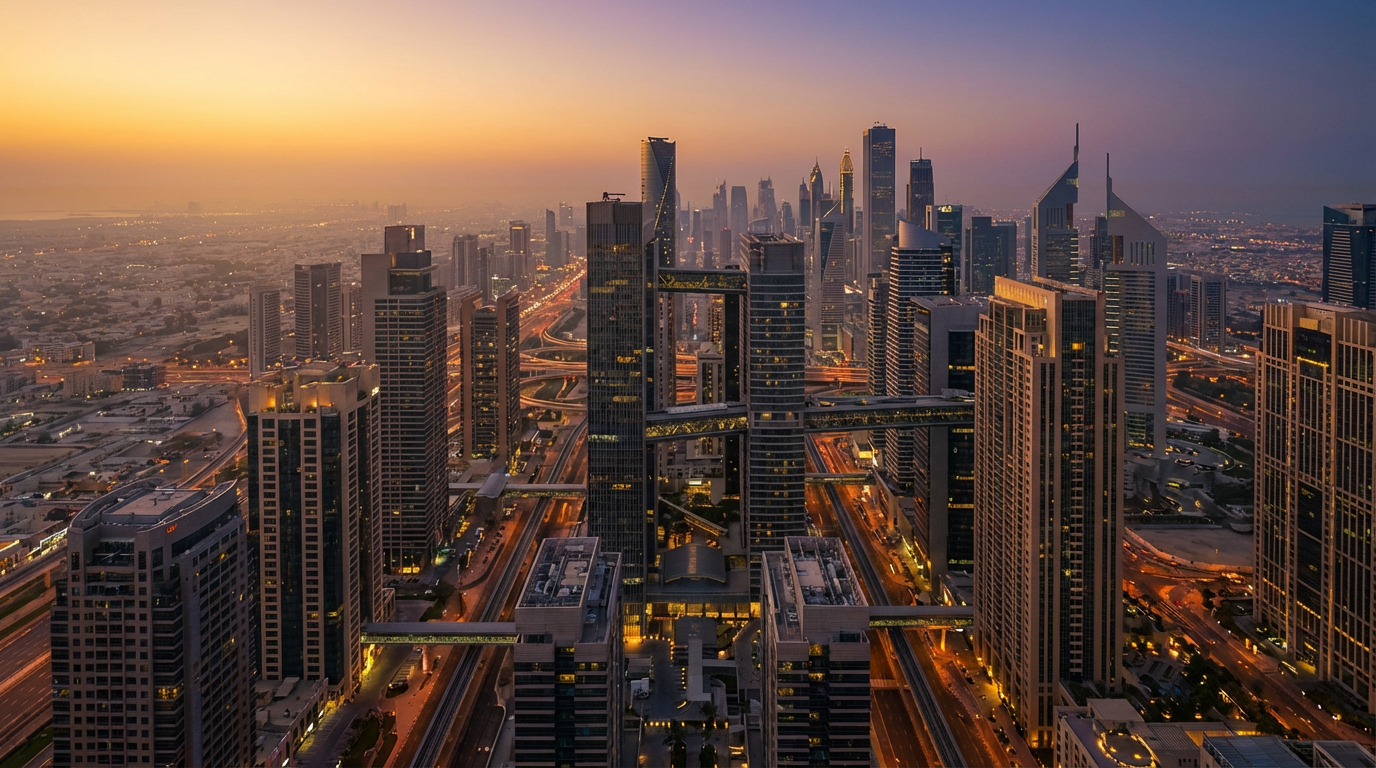
In recent years, sustainable building practices have gained significant traction in the UK, reflecting a growing commitment to eco-friendly construction. These practices are not just about reducing the environmental impact but also about creating healthier living spaces. The shift towards sustainability is driven by both regulatory requirements and the increasing demand from environmentally conscious consumers.
The Principles of Eco-Friendly Construction
Eco-friendly construction is guided by several core principles. These include the efficient use of resources, reducing waste, and minimizing energy consumption. Sustainable buildings are designed to decrease the carbon footprint during both construction and operation. This involves using renewable energy sources, sustainable materials, and innovative design techniques.
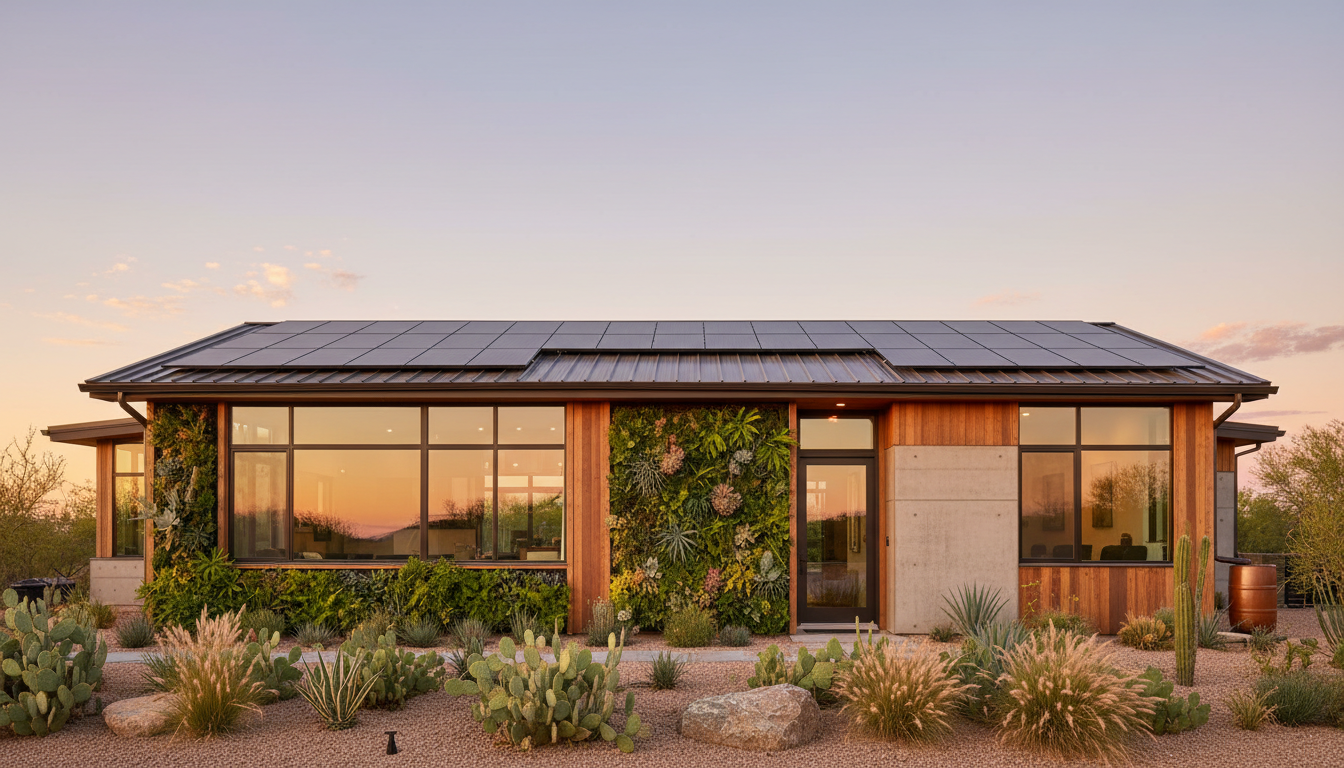
One key approach is the use of renewable and recycled materials. Reclaimed wood, recycled metal, and even materials like bamboo are becoming popular choices. These materials not only reduce the need for new resources but also add unique aesthetic elements to modern architecture.
Innovations in Sustainable Architecture
Architects and builders in the UK are embracing new technologies that enhance sustainability. For example, green roofs and walls are increasingly popular. They not only provide insulation but also improve air quality and support urban biodiversity. Similarly, innovations in insulation materials and windows have significantly improved energy efficiency.
Another exciting development is the integration of smart technologies. Smart building systems can optimize energy use by adjusting lighting, heating, and cooling based on occupancy and time of day. This approach not only saves energy but also lowers utility costs.
The Role of Regulations and Certifications
The UK government plays a crucial role in promoting sustainable building practices through regulations and certifications. Standards such as BREEAM (Building Research Establishment Environmental Assessment Method) provide a framework for assessing the sustainability of buildings. These certifications encourage builders to exceed minimum regulatory requirements and adopt best practices.
By adhering to these standards, builders can ensure that their projects meet high environmental and efficiency benchmarks. This not only contributes to environmental conservation but also enhances the marketability and value of the property.
Benefits of Sustainable Construction
There are numerous benefits to adopting sustainable building practices. For homeowners, these include reduced energy bills, improved indoor air quality, and increased property value. For the environment, it means a reduction in greenhouse gas emissions and less strain on natural resources.
- Lower operational costs
- Enhanced health and wellbeing
- Positive environmental impact
Furthermore, businesses that invest in sustainable buildings often benefit from an enhanced reputation, attracting customers and clients who value environmental responsibility.
Challenges and Future Directions
Despite the many benefits, there are challenges to widespread adoption. Initial costs, lack of awareness, and resistance to change can be barriers. However, as technology advances and awareness grows, these obstacles are becoming easier to overcome.
Looking ahead, the future of sustainable building in the UK appears promising. Continued innovation, supportive policies, and a cultural shift towards sustainability suggest that eco-friendly construction will become the norm rather than the exception.