
Success Stories: Remarkable UK Construction Projects and Their Impact


The Shard: A Symbol of Modern London
The Shard stands as a beacon of modern architecture and engineering excellence in the heart of London. Completed in 2012, it is the tallest building in the UK, rising 310 meters above the city. Designed by Renzo Piano, this iconic skyscraper is not just a marvel of design but also a symbol of London's ambition and innovation.
Beyond its aesthetic appeal, The Shard has significantly impacted London's economy by attracting global businesses and creating thousands of jobs. It houses offices, restaurants, a hotel, and residential apartments, making it a vibrant hub for diverse activities.
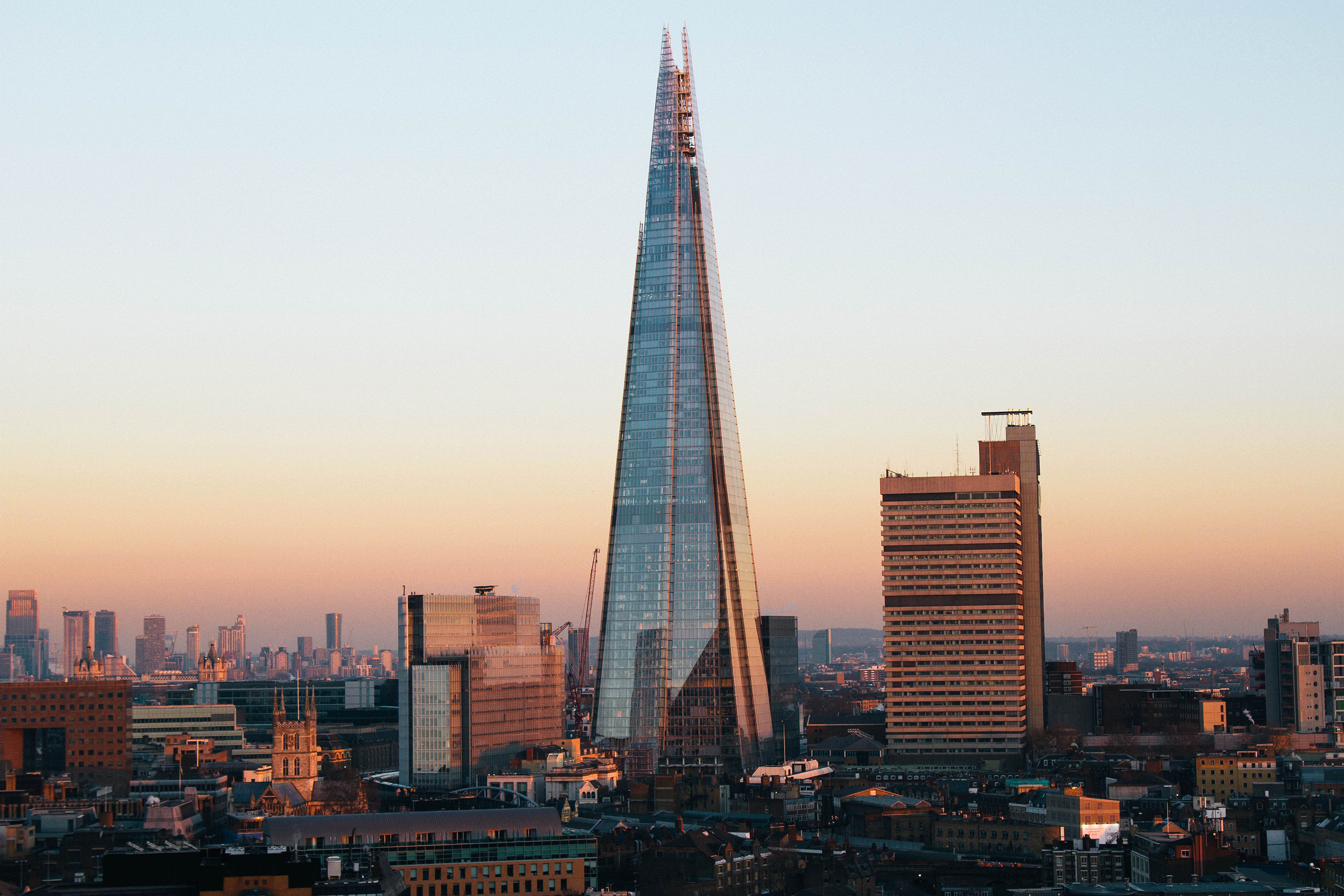
The Shard's development has revitalized the London Bridge area, enhancing its appeal to both tourists and locals. It demonstrates how construction projects can transform urban spaces, boosting economic growth and enhancing cultural significance.
Crossrail: Revolutionizing Public Transport
Crossrail, also known as the Elizabeth Line, is one of the most ambitious infrastructure projects in the UK. Scheduled for full completion in 2023, it aims to connect key areas of London with its outskirts, enhancing the efficiency of the capital's transport network.
This project is remarkable not only for its scale but also for its impact on reducing travel times and easing congestion. The line stretches over 100 kilometers, connecting 41 stations, and is expected to serve 200 million passengers annually.

By improving connectivity, Crossrail supports economic growth by linking businesses, workers, and consumers more effectively. It enhances accessibility, opening up new opportunities for development across the region.
Thames Tideway Tunnel: A Cleaner Future
The Thames Tideway Tunnel, commonly referred to as the "super sewer," is a significant environmental project designed to upgrade London's aging sewage system. Expected to be completed in 2025, this project aims to prevent sewage spills into the River Thames, protecting the environment and public health.
Spanning 25 kilometers, the tunnel will capture and store overflow from the city's sewers, vastly improving water quality. It is a crucial step towards making London a more sustainable and environmentally friendly city.
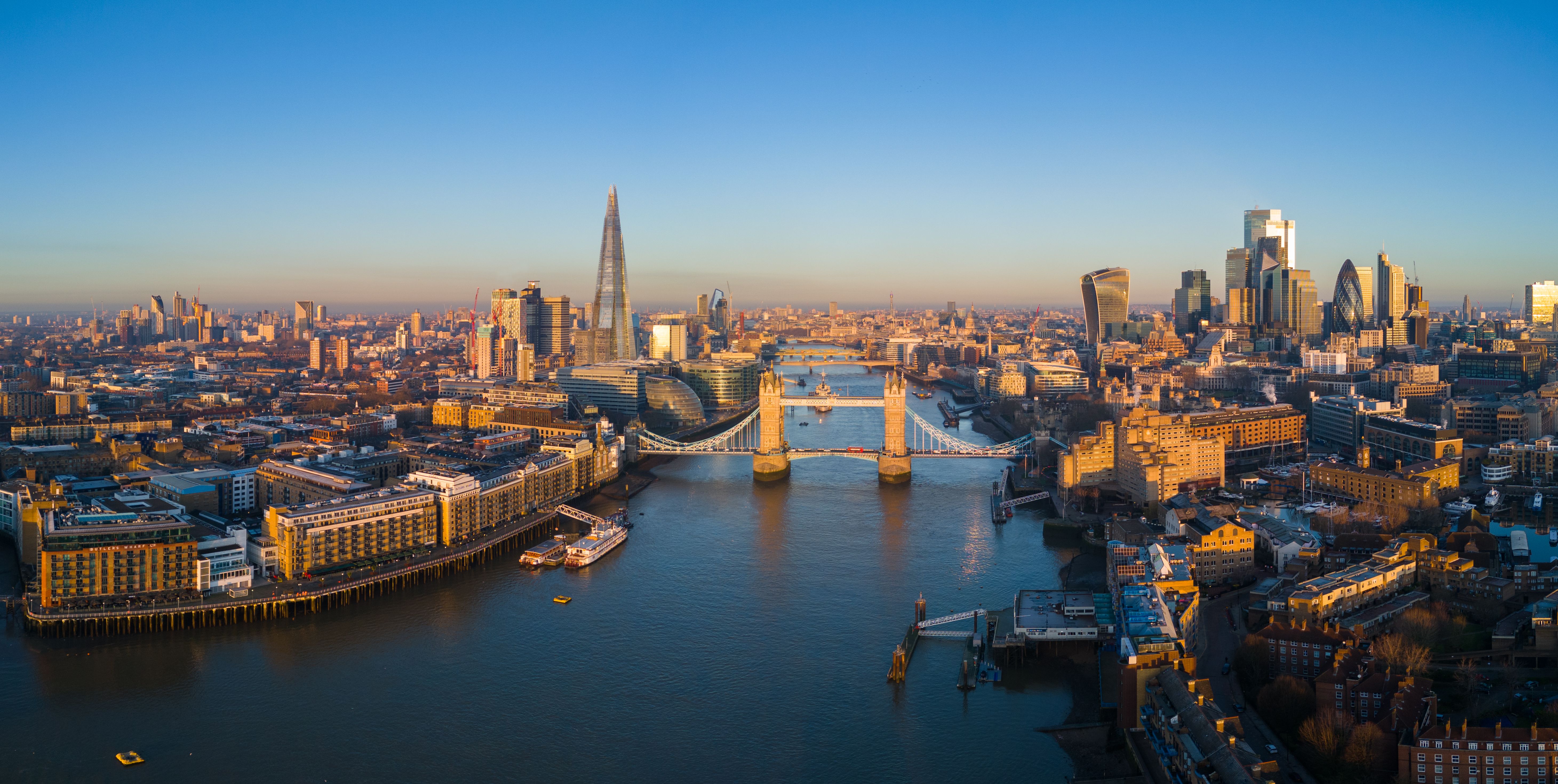
By safeguarding the Thames, this project not only preserves a vital natural resource but also enhances the quality of life for London's residents. It stands as a testament to the importance of investing in sustainable infrastructure for future generations.
The Eden Project: A Green Oasis
Located in Cornwall, the Eden Project is a marvel of ecological engineering. Opened in 2001, it features two massive biomes that house thousands of plant species from diverse climates around the world. This project has transformed a former clay pit into a lush, educational environment.
The Eden Project serves as a global leader in environmental education and conservation. It attracts over a million visitors annually, boosting the local economy and providing numerous jobs. Its innovative design and focus on sustainability have made it a model for similar projects worldwide.

By fostering awareness and appreciation for the natural world, the Eden Project highlights the potential for construction to positively impact both the environment and society. It continues to inspire a commitment to sustainable development.
Conclusion: The Future of Construction in the UK
These remarkable construction projects showcase the UK's ability to blend innovation, sustainability, and economic growth. They highlight the transformative power of architecture and infrastructure in shaping a better future. As we look forward, these projects offer valuable lessons in balancing development with environmental and social responsibility.
The success of these endeavors underscores the importance of visionary thinking and strategic investment in infrastructure. By continuing to embrace these principles, the UK is well-positioned to lead in the global construction industry, setting standards for excellence and sustainability.