
Seasonal Construction Preparation in the UK: What You Need to Know


As the seasons change, construction projects in the UK face unique challenges and opportunities. Preparing for these seasonal shifts can ensure that projects stay on track, budgets remain intact, and safety is prioritized. Understanding the impact of weather conditions and adjusting strategies accordingly is crucial for successful construction management.
Understanding Seasonal Impacts
Weather conditions in the UK can vary dramatically with each season, and these changes can significantly affect construction timelines. During winter, shorter daylight hours and potential snowfall can delay projects, while spring and summer may bring rain that impacts outdoor work. Being aware of these seasonal impacts helps in making informed decisions.
Winter Challenges
Winter poses specific challenges such as frost, ice, and snow, which can halt work and pose safety risks. It's vital to have a plan for managing these conditions, including ensuring that equipment is winterized and workers are properly equipped with protective clothing.

Spring and Summer Considerations
While spring and summer offer longer daylight hours, they can also bring unexpected showers. Protecting materials from rain and ensuring proper drainage on-site are essential steps. Additionally, the increased daylight allows for extended working hours, which can help make up for any lost time during the winter months.
Preparing Your Site
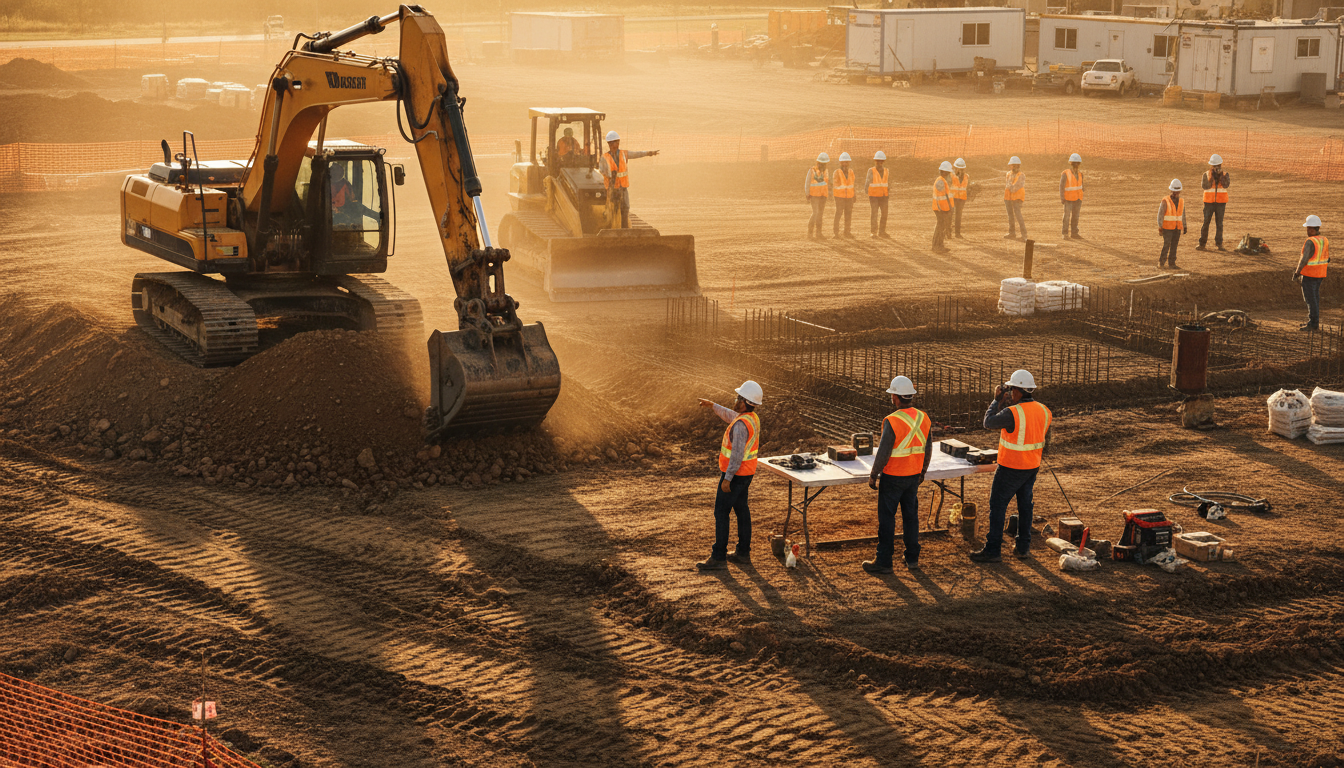
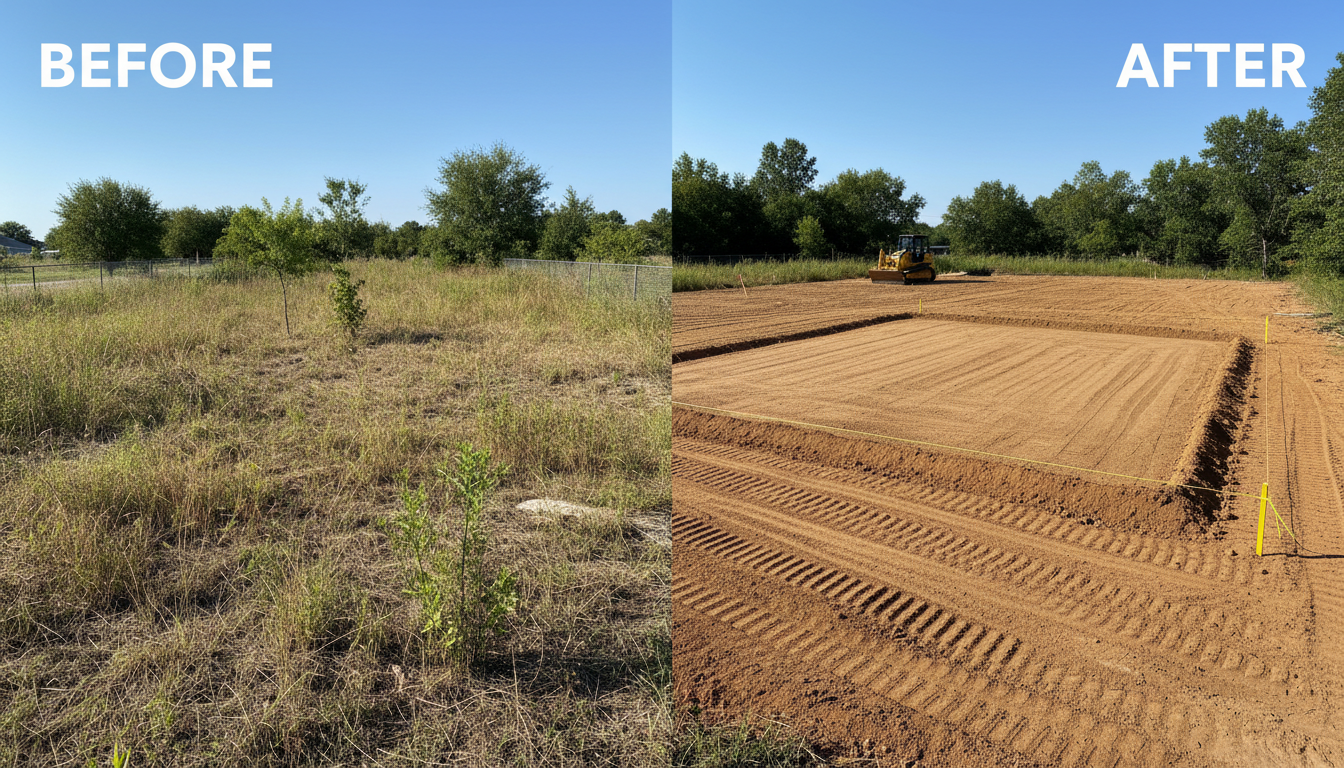
Effective site preparation is crucial for handling seasonal changes. This involves ensuring that drainage systems are in place, materials are stored correctly, and contingency plans are ready to be implemented if adverse weather conditions arise.
Equipment Maintenance
Regular maintenance of machinery and equipment is essential to prevent breakdowns during critical phases of construction. Seasonal checks should include ensuring antifreeze levels are adequate, heating systems in vehicles are working, and that all equipment is in optimal condition to handle weather extremes.
Health and Safety Protocols
Health and safety should always be a priority, especially when dealing with seasonal conditions. Training staff to handle weather-related risks and ensuring that safety gear is readily available can prevent accidents and injuries. Special attention should be given to slip hazards and exposure to extreme temperatures.
Adapting Project Timelines
Flexibility in project timelines can be a significant advantage when dealing with seasonal variations. Project managers should build in buffer time to accommodate weather delays, allowing for smoother project progression and minimizing stress on resources.

By understanding and preparing for the seasonal challenges that affect construction in the UK, project managers can ensure that their projects remain on schedule and within budget. Proactive planning, effective site management, and a focus on safety will lead to successful outcomes, regardless of the weather.