
Navigating UK Building Regulations for Commercial Projects


Understanding the Basics of UK Building Regulations
When embarking on a commercial building project in the UK, it is crucial to understand the framework of building regulations. These regulations ensure that buildings are safe, healthy, and accessible for everyone. Compliance with these rules is not just a legal obligation but also a commitment to quality and safety.
Building regulations cover various aspects of construction, including structural integrity, fire safety, energy conservation, and accessibility. Each of these components plays a vital role in ensuring that the building meets the necessary standards. Failure to comply can result in legal penalties and costly modifications.

Key Areas of Focus in Building Regulations
Fire Safety
Fire safety is a top priority in any commercial building project. Regulations require the installation of adequate fire detection and alarm systems, as well as the provision of safe escape routes. Materials used in construction must also meet fire resistance standards, ensuring that the building can withstand and contain fire hazards effectively.
Energy Efficiency
With growing concerns about climate change, energy efficiency has become a significant focus. Building regulations require that new constructions adhere to strict energy conservation standards. This includes the use of energy-efficient materials and systems, such as insulation, lighting, and HVAC systems, to reduce energy consumption and minimize carbon footprints.

Ensuring Accessibility and Inclusivity
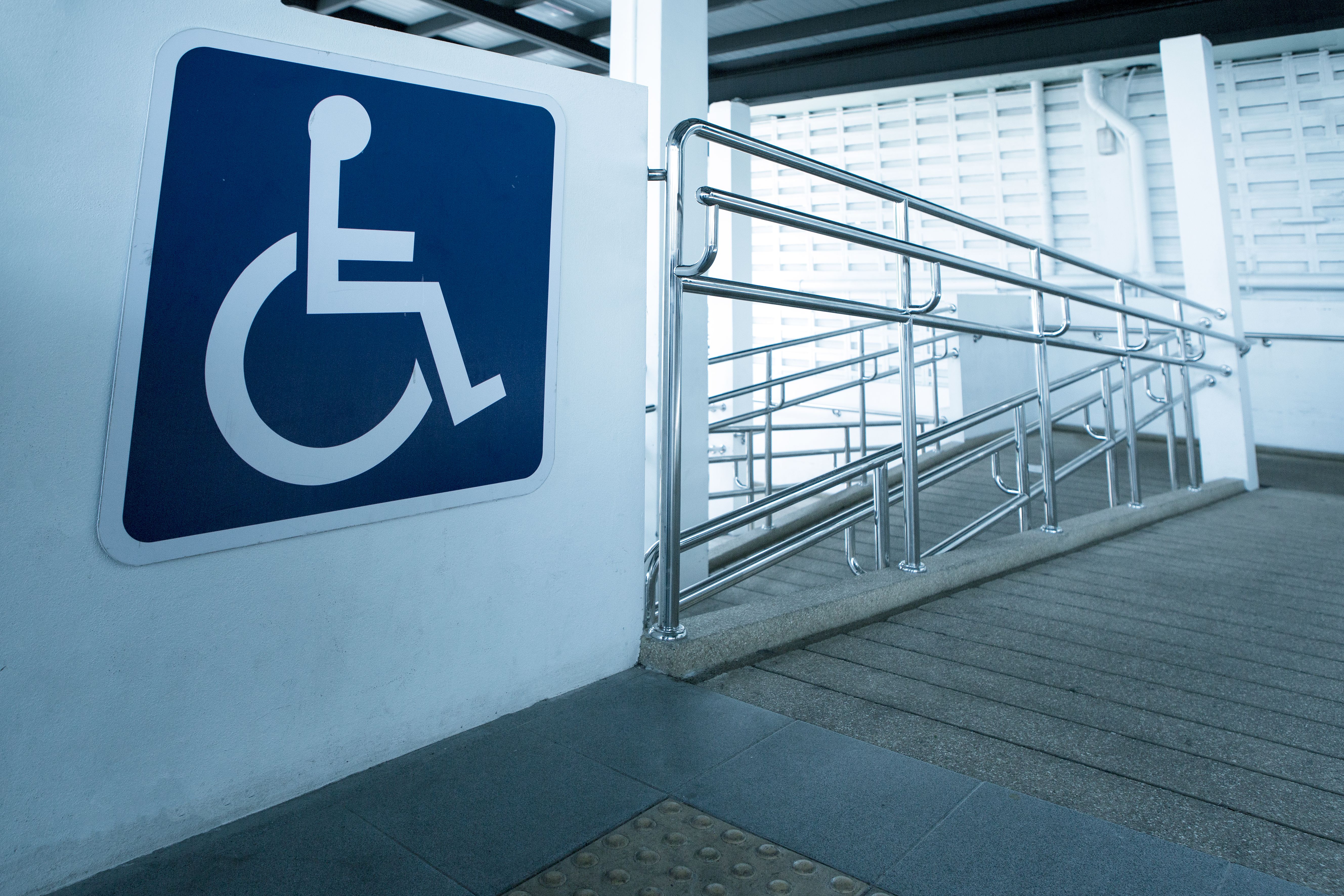
Accessibility is a critical component of building regulations, ensuring that buildings are usable for everyone, including those with disabilities. This involves implementing features like ramps, wide doorways, and accessible restrooms. Additionally, signage and navigation aids must be designed to assist individuals with visual or hearing impairments.
Creating an inclusive environment not only meets legal requirements but also enhances the building's usability and appeal. Ensuring accessibility can significantly boost the reputation of the business housed within the building, portraying it as considerate and forward-thinking.
Steps to Compliance with Building Regulations
Consultation and Planning
The first step towards compliance is thorough consultation and planning. Engaging with architects, engineers, and other professionals who specialize in building regulations is essential. They can guide you through the requirements specific to your project and help in designing plans that meet all necessary standards.
Submission and Approval
Once plans are ready, they must be submitted to the local authority for approval. This process involves a detailed review to ensure that all aspects of the project comply with regulations. Gaining approval before commencing construction is crucial to avoid future complications.
- Submit detailed plans to local authorities.
- Ensure all aspects meet necessary regulations.
- Await formal approval before proceeding.

Monitoring and Final Inspection
Throughout the construction process, regular inspections are conducted to ensure ongoing compliance. These inspections cover various stages of construction, verifying that work aligns with approved plans. Any deviations must be rectified promptly to maintain compliance.
Upon completion, a final inspection is carried out to certify that the building meets all regulatory standards. Successfully passing this inspection is essential for obtaining an occupancy certificate, allowing the building to be legally used for its intended purpose.
Adapting to Regulatory Changes
Building regulations are subject to change, reflecting advancements in technology and shifts in societal priorities. Staying informed about these changes is crucial for anyone involved in commercial construction. Regular consultation with industry experts and participation in professional networks can help in keeping up to date with the latest requirements.
Ultimately, navigating UK building regulations for commercial projects requires careful planning, expert guidance, and a commitment to quality. By prioritizing compliance, businesses can ensure the safety, efficiency, and sustainability of their buildings, fostering a positive impact on both the environment and the community.