
Infrastructure Development in the UK: Innovations Shaping the Future


Introduction
The UK is at the forefront of infrastructure development, leveraging cutting-edge technology and innovative practices to meet the demands of the 21st century. From smart cities to sustainable transport systems, the future of infrastructure in the UK is both exciting and promising.
Smart Cities: The Future of Urban Living
One of the major innovations in the UK is the development of smart cities. These urban areas use digital technology to enhance performance, well-being, and reduce costs and resource consumption. Cities like London and Manchester are leading the way by integrating IoT devices to improve traffic management and energy efficiency.

These smart cities provide a blueprint for the rest of the country, demonstrating how technology can create more livable and sustainable environments. The emphasis is on creating a connected infrastructure that enhances the quality of life.
Sustainable Transport Systems
The UK is investing heavily in sustainable transport systems to reduce carbon emissions and enhance connectivity. Initiatives such as the High-Speed 2 (HS2) rail project are set to revolutionize travel between major cities, providing faster and more efficient services.
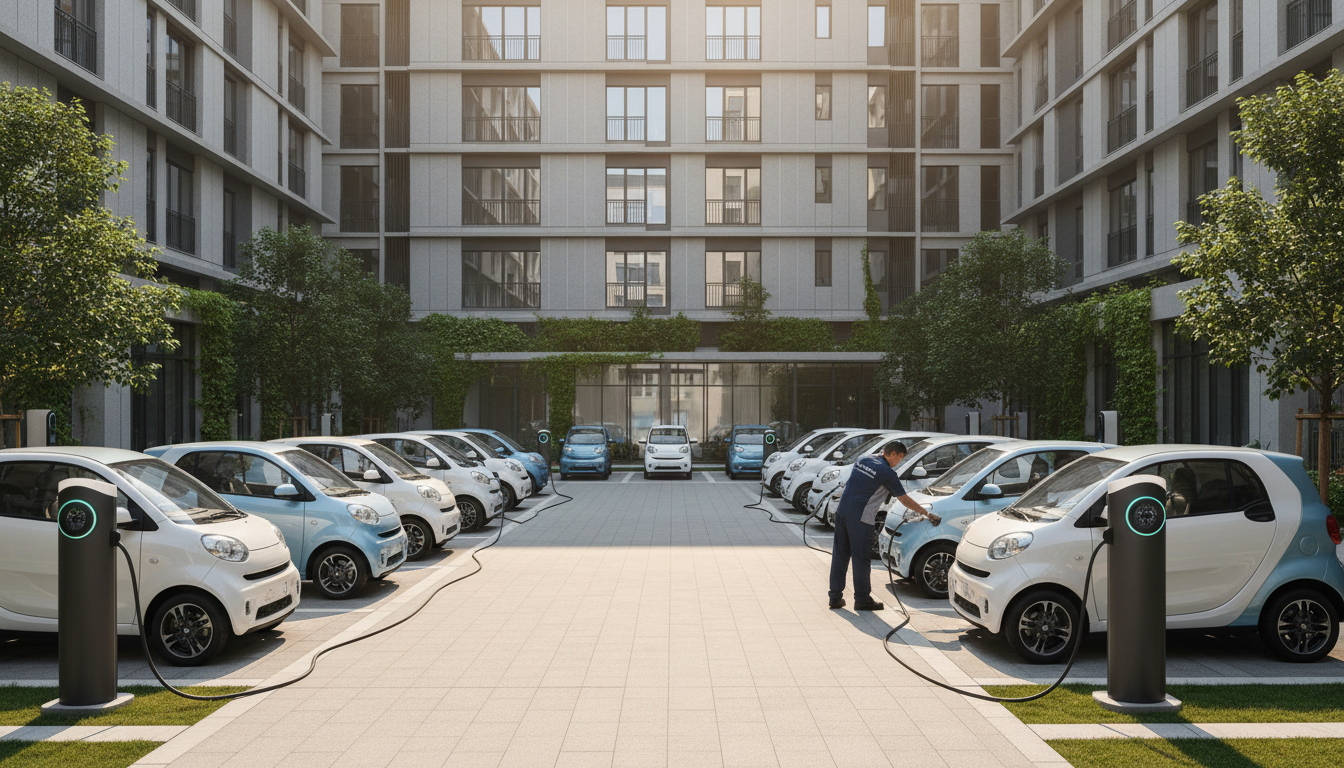
Additionally, the development of electric vehicle charging networks is a testament to the UK's commitment to a greener future. These networks are essential to supporting the growing number of electric vehicles on the roads.
Innovations in Public Transport
Public transport is also undergoing significant enhancements. The use of contactless payment systems and real-time data tracking is helping to streamline services, making them more accessible and user-friendly. This innovation ensures that public transport remains a viable option for many commuters.
Renewable Energy Initiatives
Infrastructure development in the UK is closely tied to renewable energy projects. The UK has made significant strides in wind energy, particularly offshore wind farms, which provide a substantial portion of the country's energy needs.

Solar energy and other renewable sources are also being integrated into the national grid, ensuring a more sustainable and resilient energy infrastructure. These efforts are crucial in meeting the UK's ambitious climate goals.
Community Engagement and Development
Community engagement is a key component of infrastructure development. By involving local communities in planning and decision-making processes, projects are more likely to meet the needs of residents and receive public support.
These collaborative efforts ensure that infrastructure projects are not just top-down initiatives but are designed with the people they serve in mind.
Conclusion
The UK's infrastructure development is a testament to the power of innovation and collaboration. By embracing new technologies and sustainable practices, the country is paving the way for a future that is both prosperous and environmentally responsible.
As these projects continue to evolve, they will undoubtedly serve as a model for other nations looking to harness the potential of modern infrastructure.