
How Sustainable Building Practices are Shaping UK Homes


Introduction to Sustainable Building Practices
As the world increasingly focuses on sustainability, the UK housing sector is embracing eco-friendly building practices. These innovations aim to reduce environmental impact while providing healthier living spaces. Sustainable building practices are not only beneficial for the planet but also offer economic advantages to homeowners.
The Rise of Energy-Efficient Homes
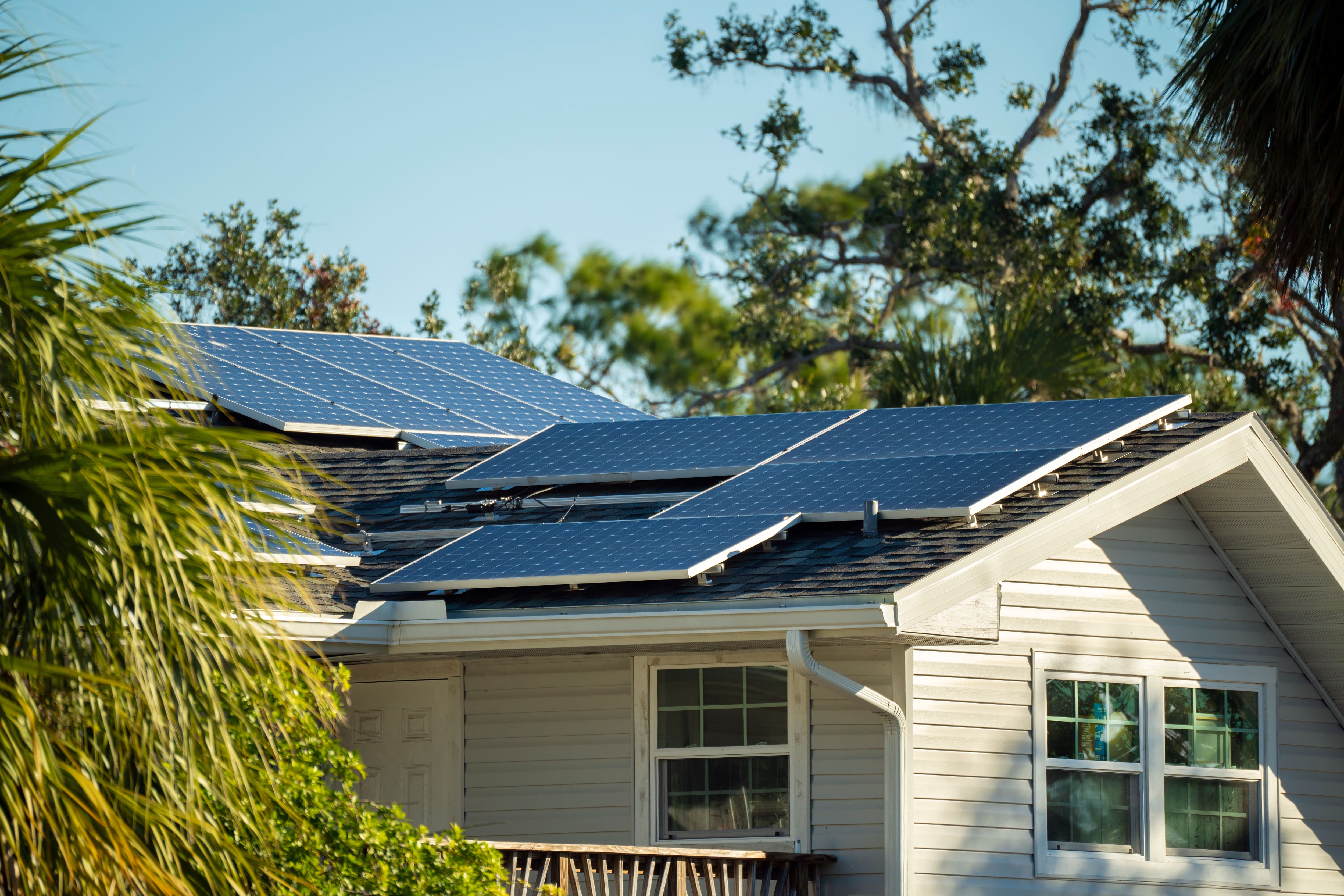
One of the most significant trends in sustainable building is the shift towards energy-efficient homes. These homes utilize advanced insulation, solar panels, and energy-efficient appliances to reduce energy consumption. By minimizing reliance on non-renewable energy sources, these homes significantly cut down utility costs.
Energy-efficient homes also feature smart home technologies that allow residents to monitor and manage energy usage more effectively. This integration of technology ensures homes remain energy-efficient throughout their lifecycle.
Innovative Materials and Designs
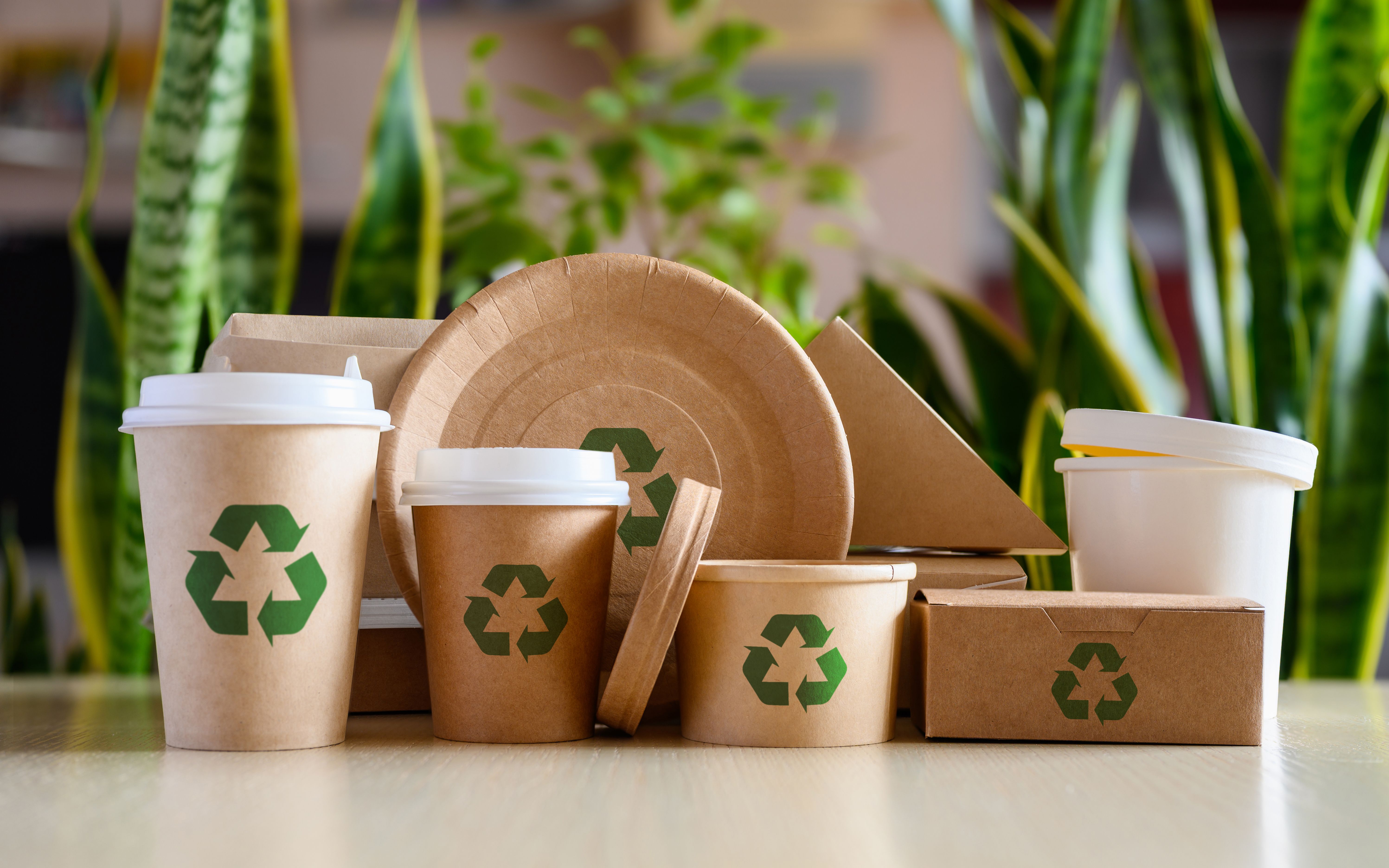
The use of innovative materials is crucial in sustainable building practices. Builders are increasingly using recycled and locally sourced materials, which reduces the carbon footprint associated with transportation. Additionally, materials like bamboo and reclaimed wood not only offer durability but also add aesthetic value to homes.
Water Conservation Techniques
Water conservation is another critical aspect of sustainable building. UK homes are incorporating rainwater harvesting systems and greywater recycling to reduce water wastage. These systems collect and reuse water for non-potable purposes, such as irrigation and flushing toilets.
Moreover, the installation of low-flow fixtures and efficient plumbing systems contributes to significant water savings, ensuring that homes remain sustainable even in regions prone to water scarcity.
Impact on Urban Development
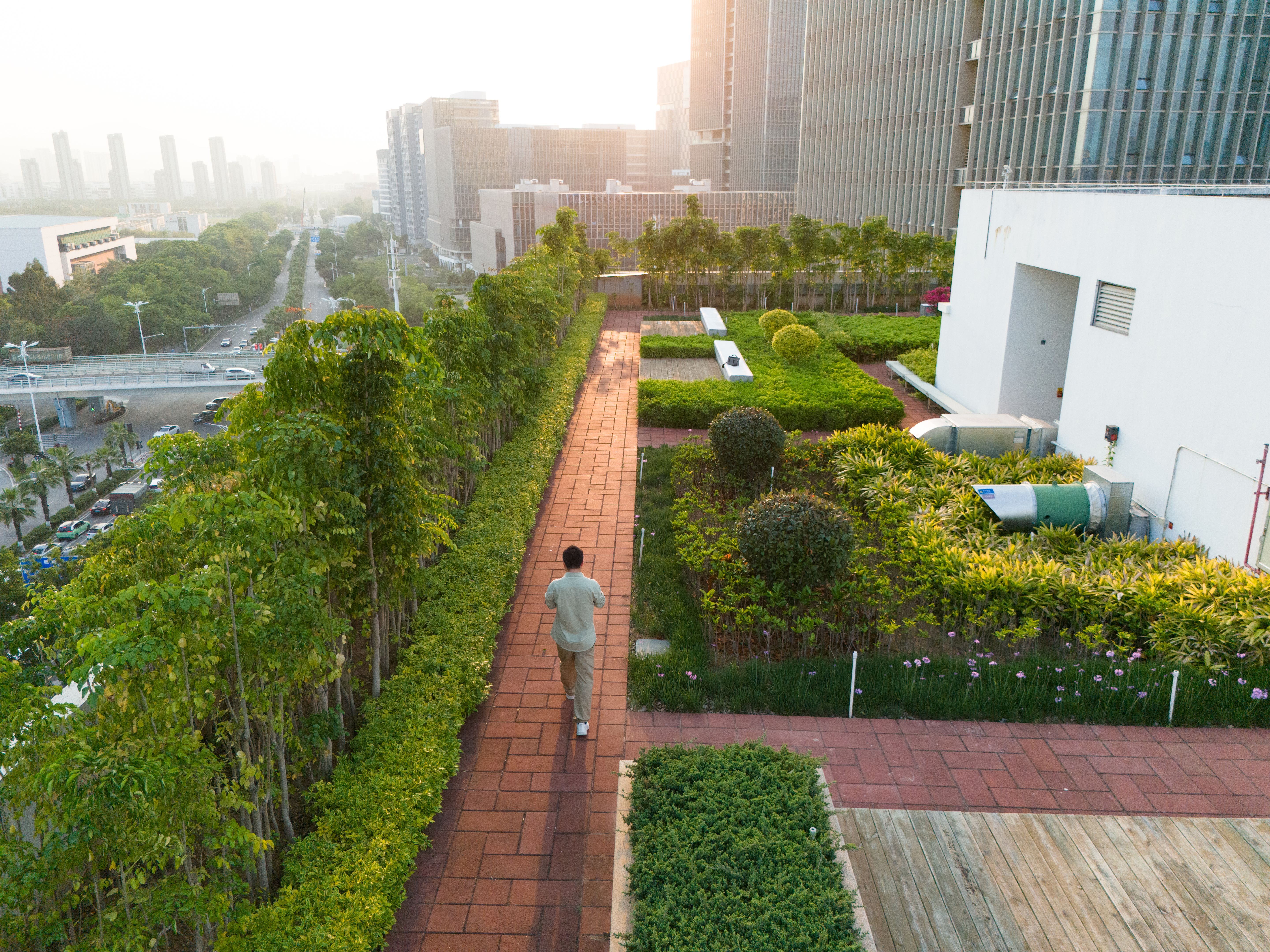
Sustainable building practices are reshaping urban development in the UK. Eco-friendly neighborhoods are emerging, featuring green spaces, community gardens, and pedestrian-friendly infrastructure. These developments prioritize environmental sustainability and community well-being.
Economic Benefits for Homeowners
While the initial investment in sustainable building practices may be higher, the long-term economic benefits are substantial. Homeowners enjoy reduced energy and water bills, lower maintenance costs, and increased property values. Additionally, government incentives and grants are available to support eco-friendly renovations and constructions.
As awareness grows, sustainable homes are becoming more attractive to potential buyers, ensuring a quicker return on investment for homeowners.
The Future of UK Homes
The future of UK homes lies in sustainability. As technology advances and environmental concerns intensify, sustainable building practices will continue to evolve. The integration of renewable energy sources, innovative materials, and smart technologies will drive the transformation of the housing sector.
Ultimately, sustainable building practices not only enhance the quality of life for residents but also contribute to a healthier planet, paving the way for a sustainable future.