
How Modern Architecture is Shaping the Future of UK Cities


Introduction to Modern Architecture in the UK
In recent years, modern architecture has become a defining feature of urban landscapes across the United Kingdom. This architectural style is not just about aesthetics; it's about designing functional, sustainable, and innovative spaces. As cities grow and evolve, modern architecture is playing a crucial role in shaping their future.
Embracing Sustainability
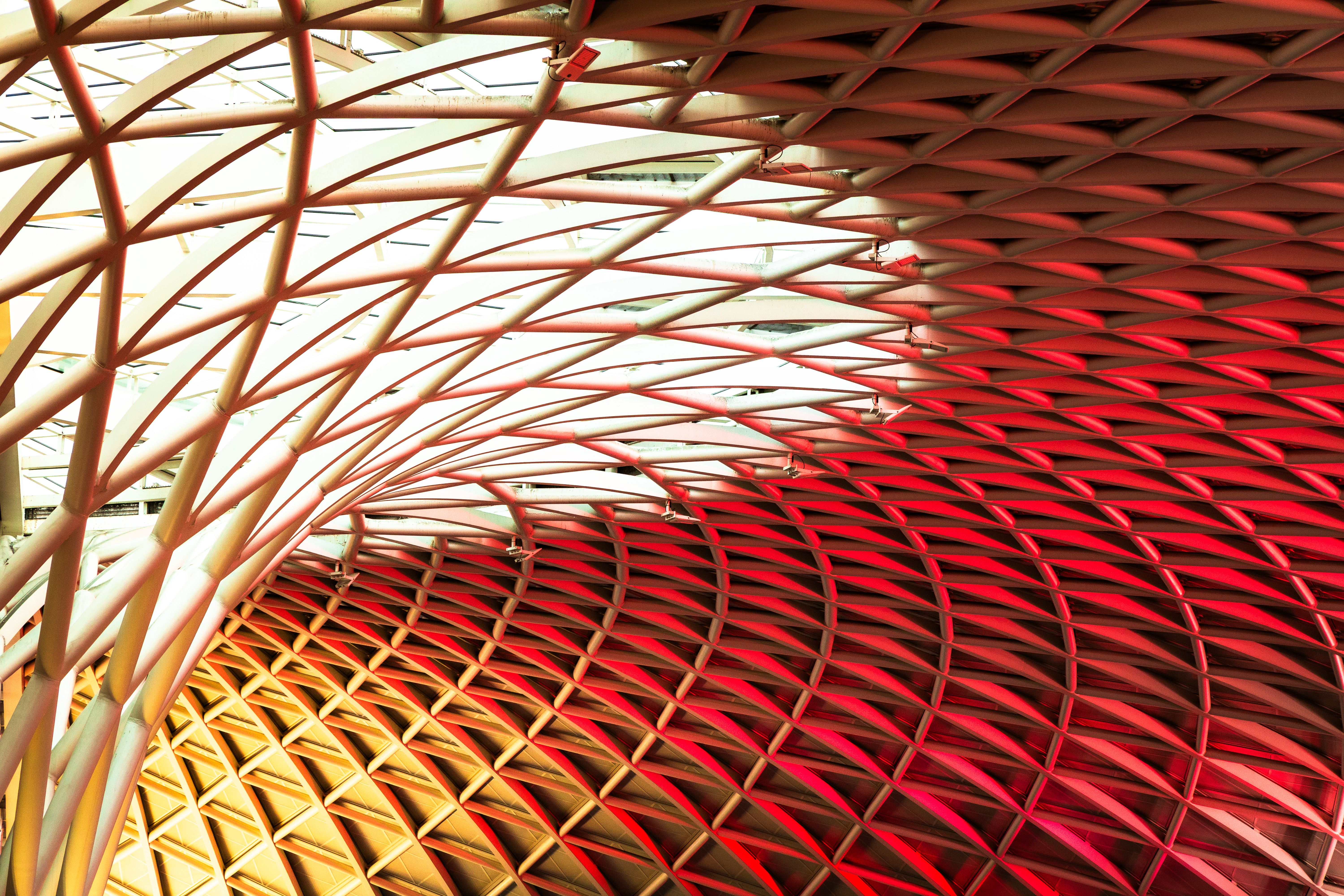
An essential aspect of modern architecture is its focus on sustainability. Architects are increasingly incorporating eco-friendly materials and energy-efficient technologies into their designs. From solar panels to green roofs, buildings are being constructed to reduce their environmental impact. This shift towards sustainable architecture is not only beneficial for the planet but also for the residents who enjoy reduced utility costs and improved air quality.
Green Building Initiatives
The UK government has been actively promoting green building initiatives. New regulations require developers to meet specific sustainability standards. These policies are driving innovation and encouraging architects to design buildings that are both beautiful and environmentally friendly. The rise of eco-conscious consumers further fuels this trend, demanding spaces that align with their values.

Technological Innovations
Technology is at the forefront of modern architecture. The integration of smart technologies into building designs is transforming how people interact with their environments. Innovations such as smart lighting, temperature control systems, and advanced security features are now standard in many new developments.
Smart Cities
The concept of smart cities is gaining traction in the UK. These urban areas use digital technology to improve infrastructure efficiency and enhance the quality of life for residents. From intelligent traffic management systems to connected public transport, technology is reshaping urban living. Modern architecture is a critical component of this transformation, providing the infrastructure needed for these advancements.

Revitalizing Urban Spaces
Modern architecture is also instrumental in revitalizing urban spaces. Many UK cities are undergoing redevelopment projects aimed at rejuvenating old and neglected areas. By transforming these spaces into vibrant, functional communities, modern architecture is breathing new life into cities.
Adaptive Reuse Projects
One popular trend is adaptive reuse, where old buildings are repurposed for new uses. This approach preserves historical elements while updating structures to meet modern needs. It’s a sustainable way to manage urban growth and maintain cultural heritage. Examples include converting warehouses into stylish apartment complexes or turning industrial sites into creative hubs.
Conclusion
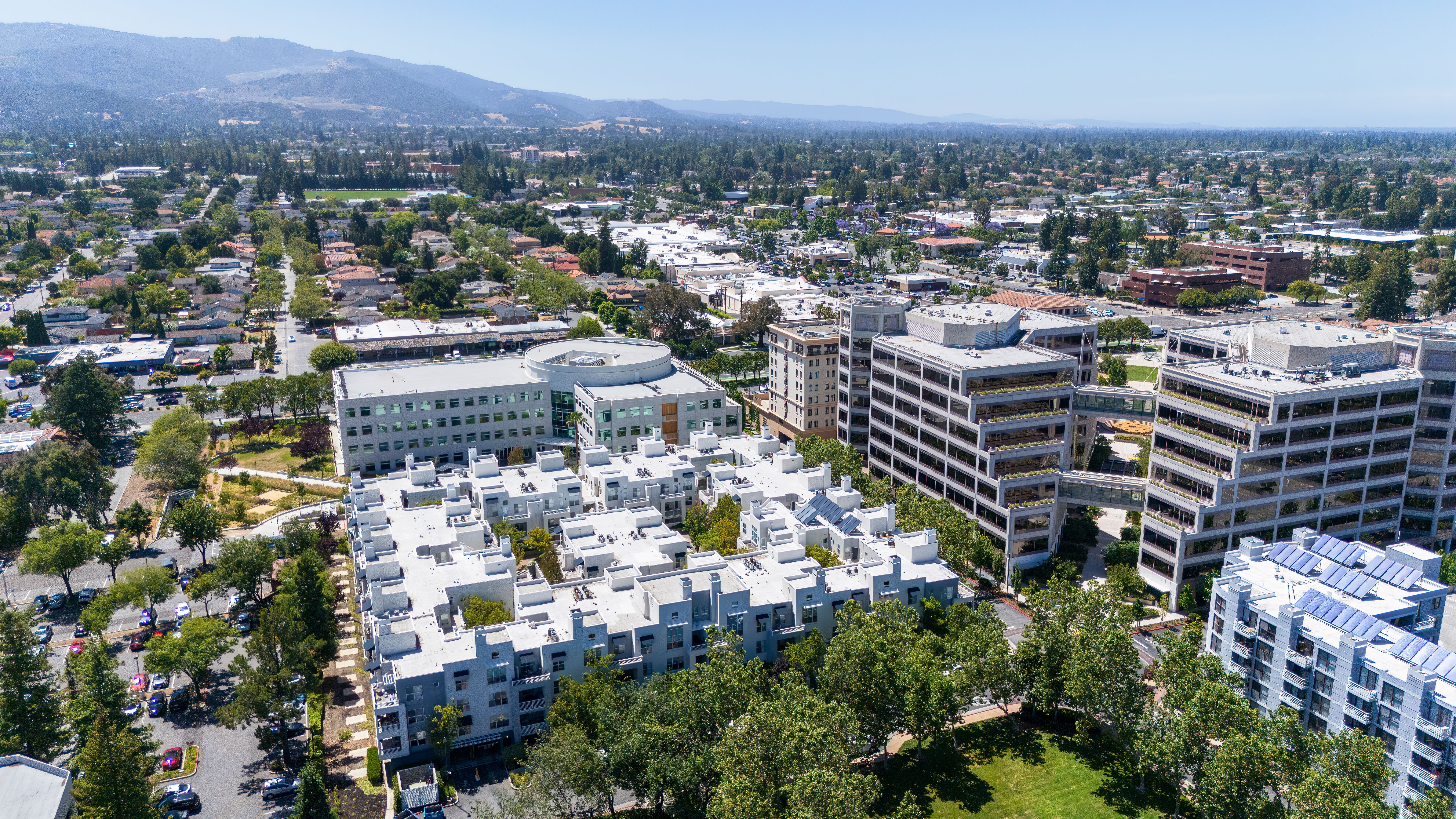
Modern architecture is not just a fleeting trend; it is a fundamental part of the future of UK cities. By embracing sustainability, leveraging technology, and revitalizing urban spaces, modern architecture is creating cities that are more livable, efficient, and environmentally conscious. As we continue to innovate and adapt, the impact of modern architecture will only grow stronger, shaping the way we live for generations to come.