
Expert Insights: Future Trends in British Construction Services


Embracing Sustainability in Construction
The British construction industry is increasingly focusing on sustainability, a trend that shows no signs of slowing down. As environmental awareness grows, companies are adopting eco-friendly practices and materials. This shift is driven by both regulatory requirements and consumer demand for greener buildings. Sustainable construction not only reduces the carbon footprint but also enhances energy efficiency, leading to long-term cost savings.

The Rise of Smart Buildings
Another significant trend in British construction services is the integration of smart technology into buildings. These innovations include automated systems for heating, lighting, and security, which enhance comfort and efficiency. Smart buildings offer real-time data collection and analytics, helping facility managers make informed decisions that improve operational performance.
The Internet of Things (IoT) plays a crucial role in this transformation, allowing various devices to connect and communicate seamlessly. As technology continues to evolve, the potential for smarter and more responsive buildings will expand further, providing new opportunities for the construction sector.
Modular and Prefabricated Construction
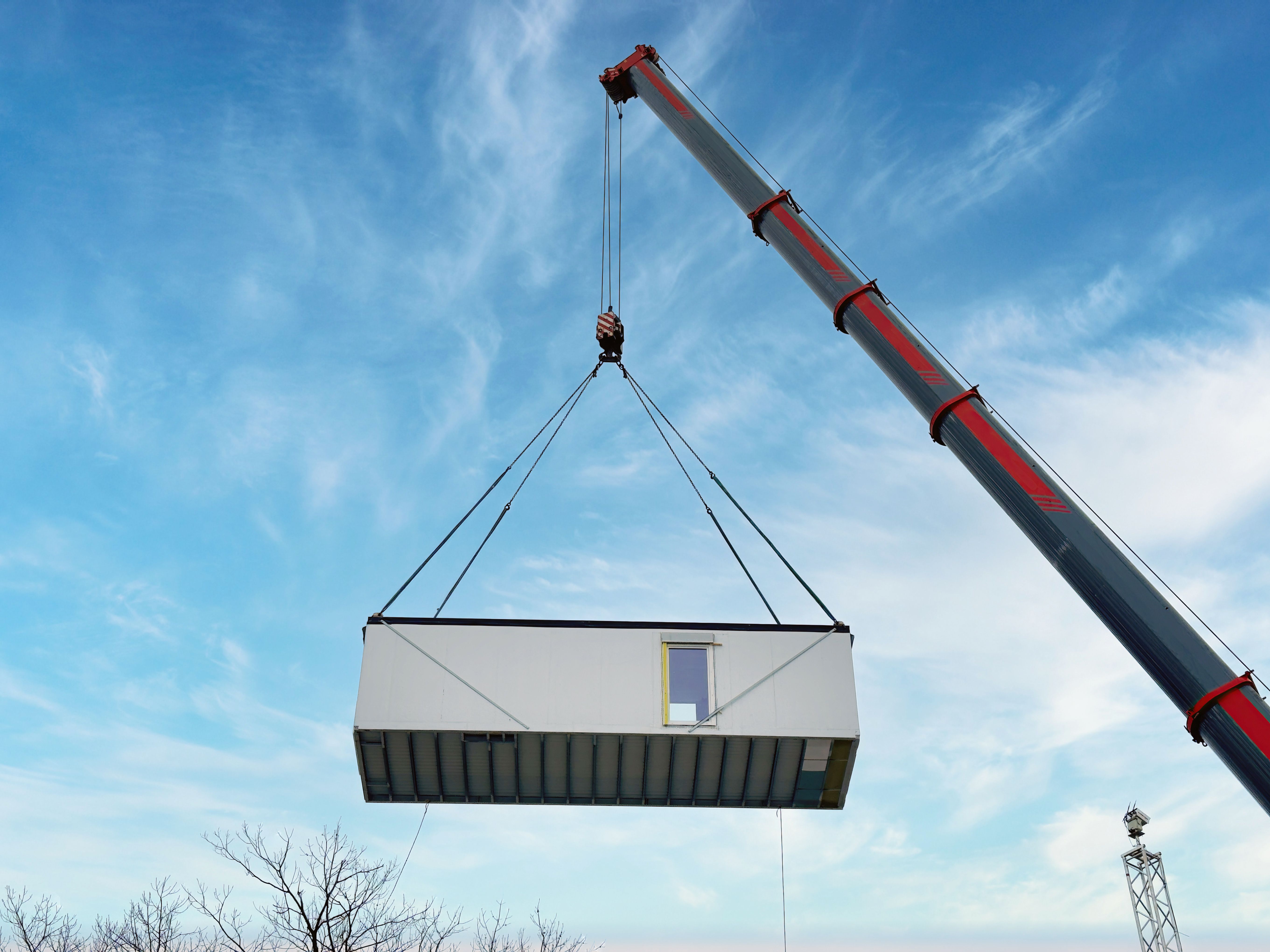
Modular and prefabricated construction techniques are gaining traction as they offer numerous advantages, such as reduced construction time, lower costs, and improved quality control. These methods involve assembling building components off-site and then transporting them to the construction site for installation. This approach minimizes on-site disruption and waste, aligning with the sustainability goals of the industry.
Focus on Health and Safety
Health and safety remain paramount in the construction sector, with continuous improvements being made to ensure worker well-being. Innovative technologies, such as wearable devices and drones, are being utilized to monitor site conditions and enhance safety protocols. These advancements help in identifying potential hazards and mitigating risks, making construction sites safer for everyone involved.
The emphasis on health and safety extends beyond the construction phase, with post-occupancy evaluations becoming more common. These assessments ensure that buildings meet health standards and provide a safe environment for occupants.
Adoption of Advanced Materials
The use of advanced materials is revolutionizing the construction industry. Innovations like graphene-enhanced concrete and self-healing materials are being explored to improve building durability and performance. These materials offer enhanced strength, flexibility, and sustainability, making them ideal for modern construction needs.
Digital Transformation and BIM
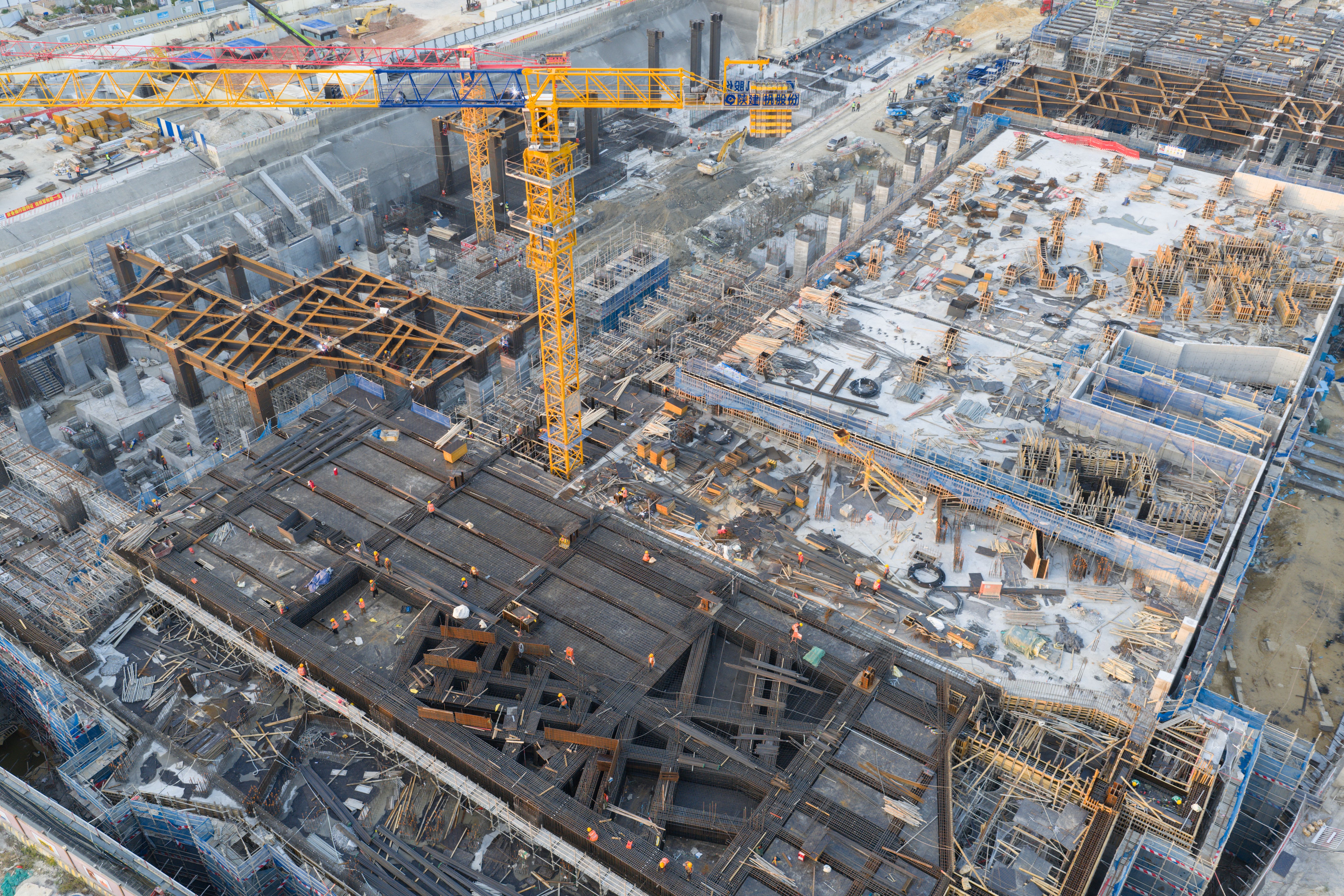
Digital transformation is reshaping the construction landscape, with Building Information Modeling (BIM) at the forefront. BIM involves creating digital representations of physical spaces, allowing for better planning, design, and management of construction projects. This technology facilitates collaboration among stakeholders and reduces errors, leading to more efficient project delivery.
As digital tools become more sophisticated, their integration into construction processes will continue to grow, offering new ways to enhance productivity and innovation in the industry.
Conclusion
The future of British construction services is marked by exciting trends that promise to revolutionize the industry. From sustainability and smart technology to advanced materials and digital innovation, these developments are set to shape the built environment for years to come. As the industry embraces these changes, it will be better equipped to meet the evolving needs of society and contribute to a more sustainable future.