DIY Tips for Enhancing Modern Architectural Designs in Your Home


Incorporating Minimalist Elements
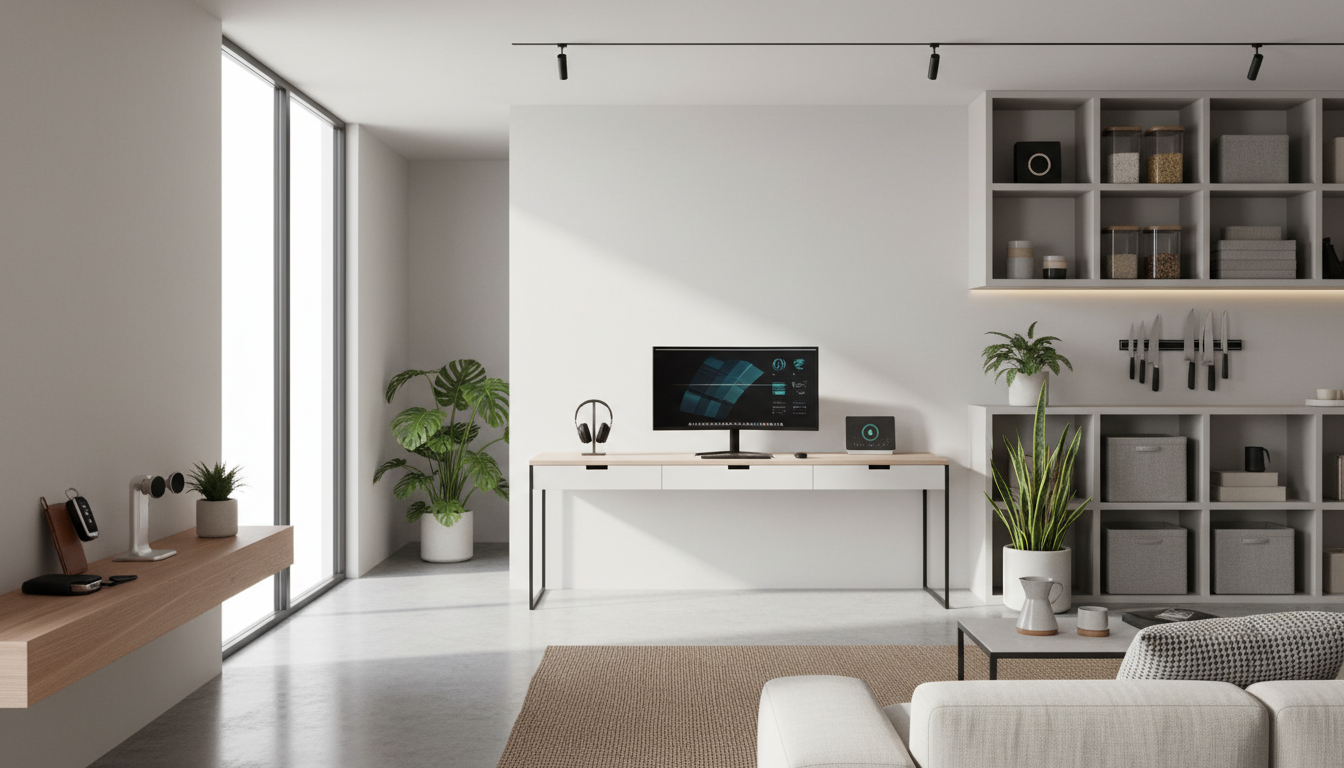
Modern architectural designs often emphasize simplicity and functionality. By incorporating minimalist elements, you can create a sleek and uncluttered look. Start by decluttering your space and removing unnecessary items. Focus on keeping only what is essential, which will help highlight the architectural features of your home.
Choose a neutral color palette to enhance the minimalist aesthetic. Whites, greys, and beiges work well to create a calming atmosphere. Additionally, integrating natural materials such as wood and stone can add warmth and texture to the minimalist design.
Utilizing Open Spaces
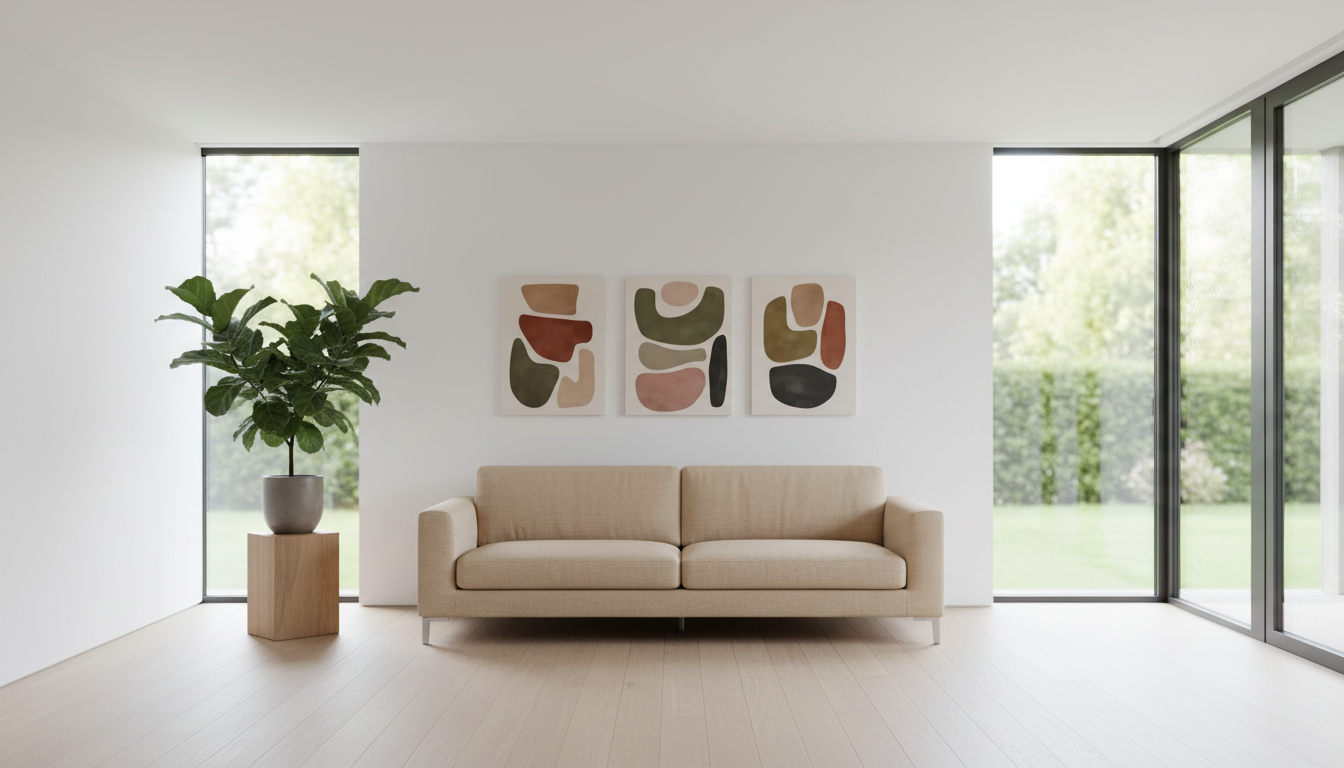
Open spaces are a hallmark of modern design, promoting a sense of flow and connectivity throughout the home. To achieve this, consider removing non-load-bearing walls to create larger, more open areas. This will not only make your home feel more spacious but also allow for better natural light distribution.
Furniture placement is crucial in open spaces. Arrange furniture in a way that maintains openness while providing functionality. Opt for multi-functional furniture pieces to maximize space efficiency.
Incorporating Smart Technology
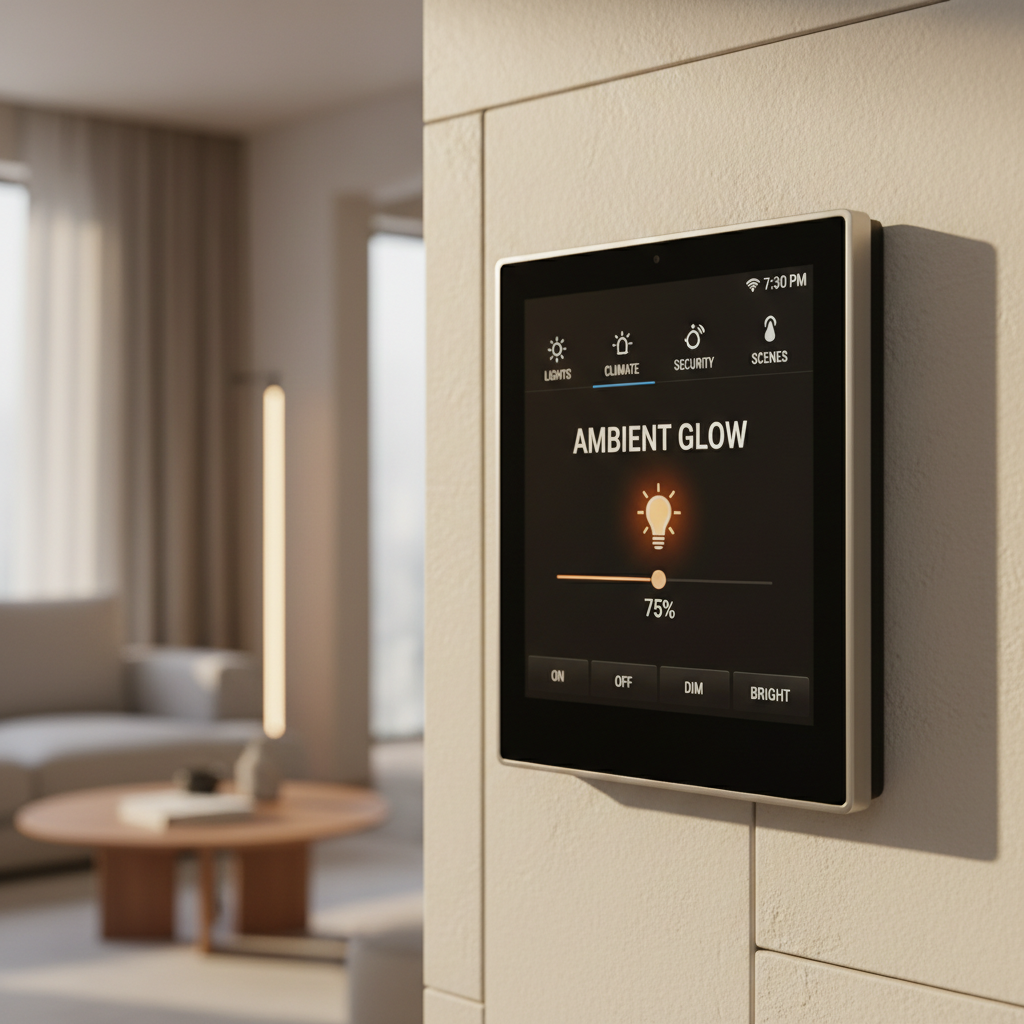
Smart technology can significantly enhance modern architectural designs by adding convenience and efficiency. Consider installing smart lighting systems that allow you to control brightness and color temperature through your smartphone. This not only saves energy but also lets you change the ambiance with ease.
Smart thermostats are another great addition, enabling you to maintain optimal temperature settings while reducing energy consumption. Integrating smart home assistants can further streamline your daily activities, making your home more efficient and user-friendly.
Adding Sustainable Features
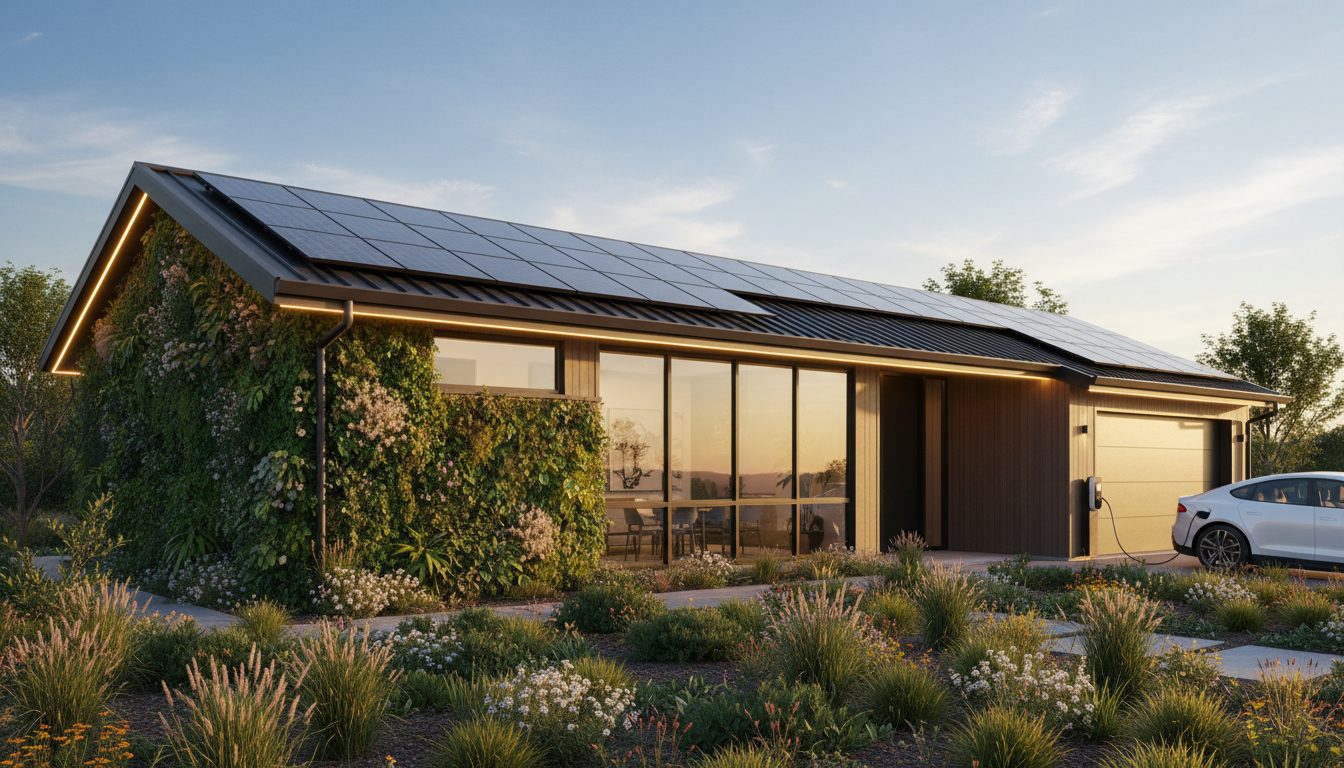
Sustainability is a key consideration in modern architecture. By incorporating eco-friendly features, you can reduce your environmental impact while enhancing your home's design. Start by investing in energy-efficient windows and insulation to minimize heat loss and reduce energy bills.
Consider installing solar panels or a green roof to further improve energy efficiency. These features not only contribute to sustainability but can also become striking architectural elements in themselves.
Emphasizing Indoor-Outdoor Connection
Modern architectural designs often blur the line between indoor and outdoor living spaces. To achieve this, consider installing large sliding glass doors or bi-fold doors that open up to your garden or patio. This creates a seamless transition between spaces and allows for an abundance of natural light.
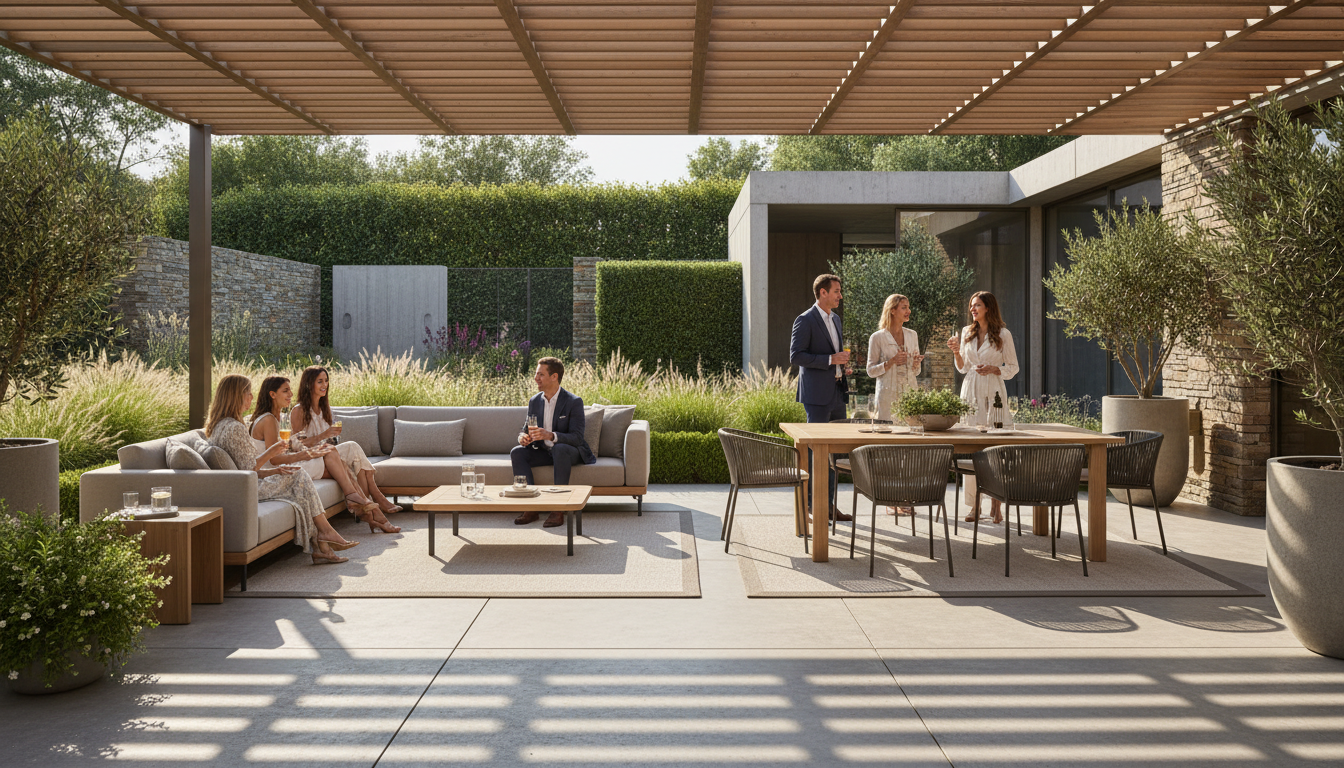
Incorporate outdoor living areas with comfortable seating and dining options to encourage spending more time outdoors. Use materials and colors that complement the indoor design to maintain continuity.
Personalizing with Art and Decor
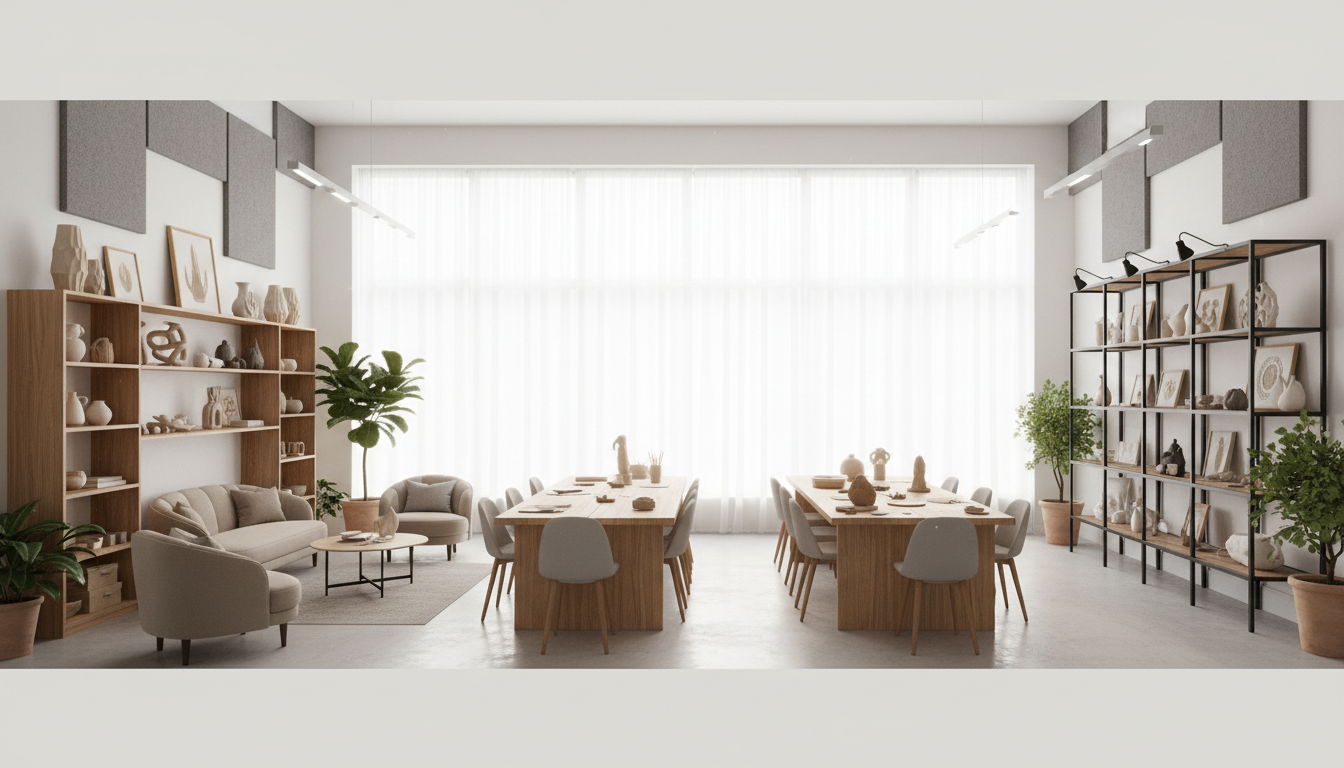
While modern designs focus on simplicity, personal touches can make a space truly feel like home. Incorporate art pieces that reflect your personality and interests. Large, bold artworks can become focal points in minimalist spaces.
Use decor elements like cushions, rugs, and plants to add color and texture. These elements can easily be updated to keep your space feeling fresh and current.