
Debunking Common Myths About UK Industrial Construction


Understanding the Reality of UK Industrial Construction
The UK industrial construction sector is often misunderstood, with numerous myths clouding its true nature. These misconceptions can deter potential investors and stakeholders from engaging with the industry. In this blog post, we aim to debunk some of the most common myths associated with industrial construction in the UK.

Myth 1: Industrial Construction Is Harmful to the Environment
One prevalent belief is that industrial construction is inherently detrimental to the environment. While it is true that construction activities can impact ecosystems, the UK industry is increasingly adopting sustainable practices. Many companies are now integrating eco-friendly materials and green building technologies to reduce their carbon footprint.
Notably, there is a growing trend towards using recycled materials and implementing energy-efficient systems in industrial projects. These efforts contribute to a more sustainable future, challenging the notion that industrial construction is purely harmful.
Myth 2: Industrial Construction Projects Always Exceed Budgets
Another common misconception is that industrial construction projects invariably exceed their budgets. While some projects may face financial challenges, many are completed on time and within budget thanks to improved project management techniques. Advances in technology, such as Building Information Modeling (BIM), allow for precise planning and cost estimation, reducing the likelihood of budget overruns.
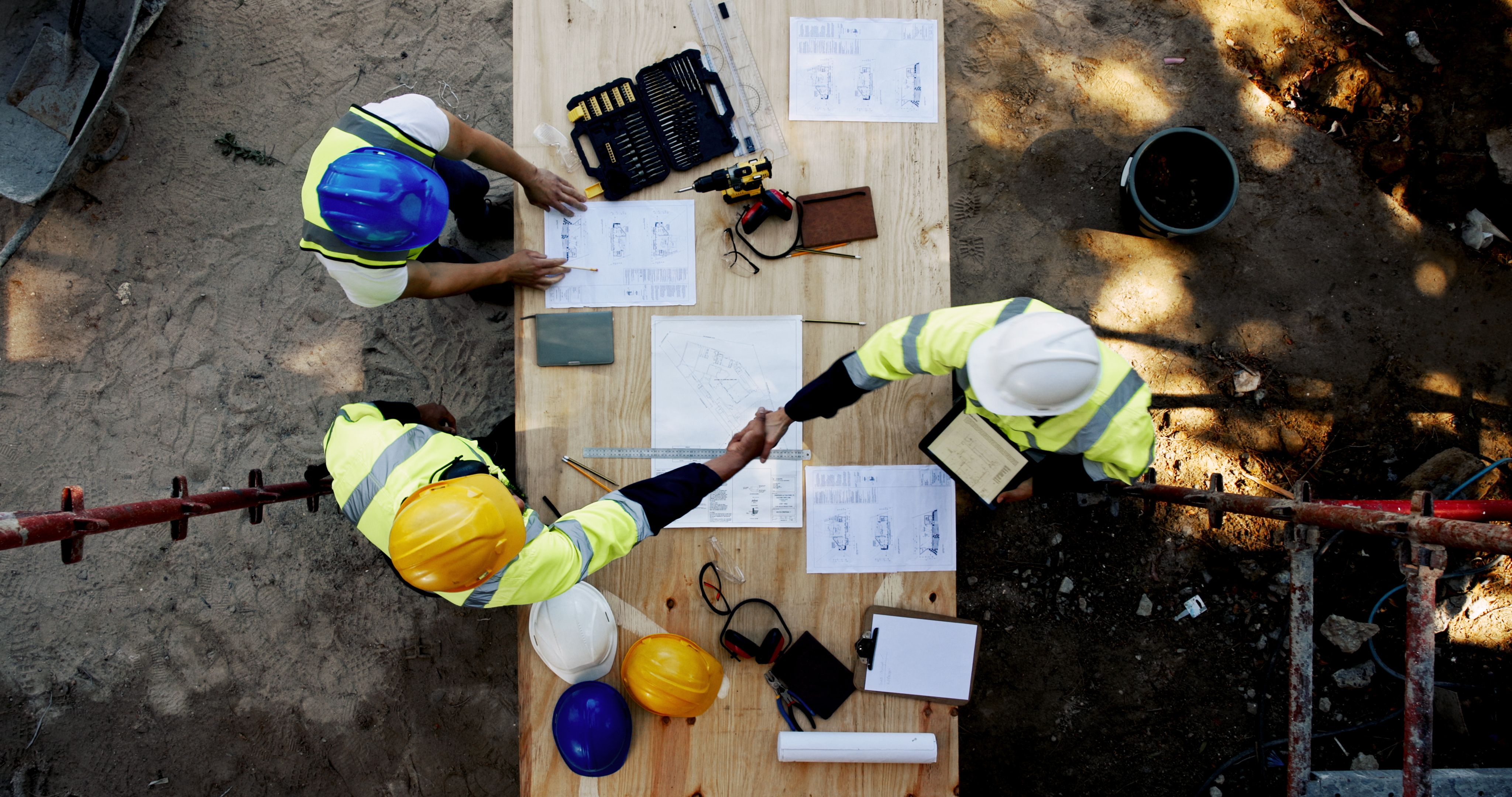
Moreover, the industry is increasingly focusing on transparency and communication between all parties involved. This collaboration helps in identifying potential issues early on, ensuring a smoother construction process.
Myth 3: Industrial Buildings Are Unattractive and Monolithic
Many people assume that industrial buildings lack aesthetic appeal, viewing them as large, imposing structures with little design consideration. However, modern industrial construction often emphasizes both functionality and aesthetics. Architects and designers are continually exploring innovative designs to create visually appealing industrial spaces.
Contemporary industrial buildings often feature sleek designs, advanced materials, and creative architectural concepts that enhance their surroundings. This shift in design philosophy demonstrates that industrial spaces can be both practical and attractive.

Myth 4: The Industry Is Resistant to Change
It is a common belief that the industrial construction sector is resistant to change and innovation. In reality, the industry is rapidly evolving, driven by technological advancements and changing market demands. From the adoption of smart technology to the use of advanced materials, the sector is continually innovating to meet modern needs.
Embracing digital tools and automation has significantly improved efficiency and productivity within the industry. These innovations not only streamline construction processes but also enhance safety and quality.
Conclusion: A Forward-Looking Industry
The UK industrial construction sector is far more dynamic and innovative than commonly perceived. By debunking these myths, it becomes clear that the industry is committed to sustainability, efficiency, and aesthetic appeal. As it continues to evolve, industrial construction in the UK promises to play a crucial role in shaping a sustainable and prosperous future.