
Common Misconceptions About Modern Architecture in the UK


Understanding Modern Architecture
Modern architecture in the UK is often misunderstood, with many people harboring misconceptions about its principles and aesthetics. Exploring these misconceptions can help us appreciate the true essence of modern design. Let's delve into some of the most common misunderstandings and clarify what modern architecture truly embodies.
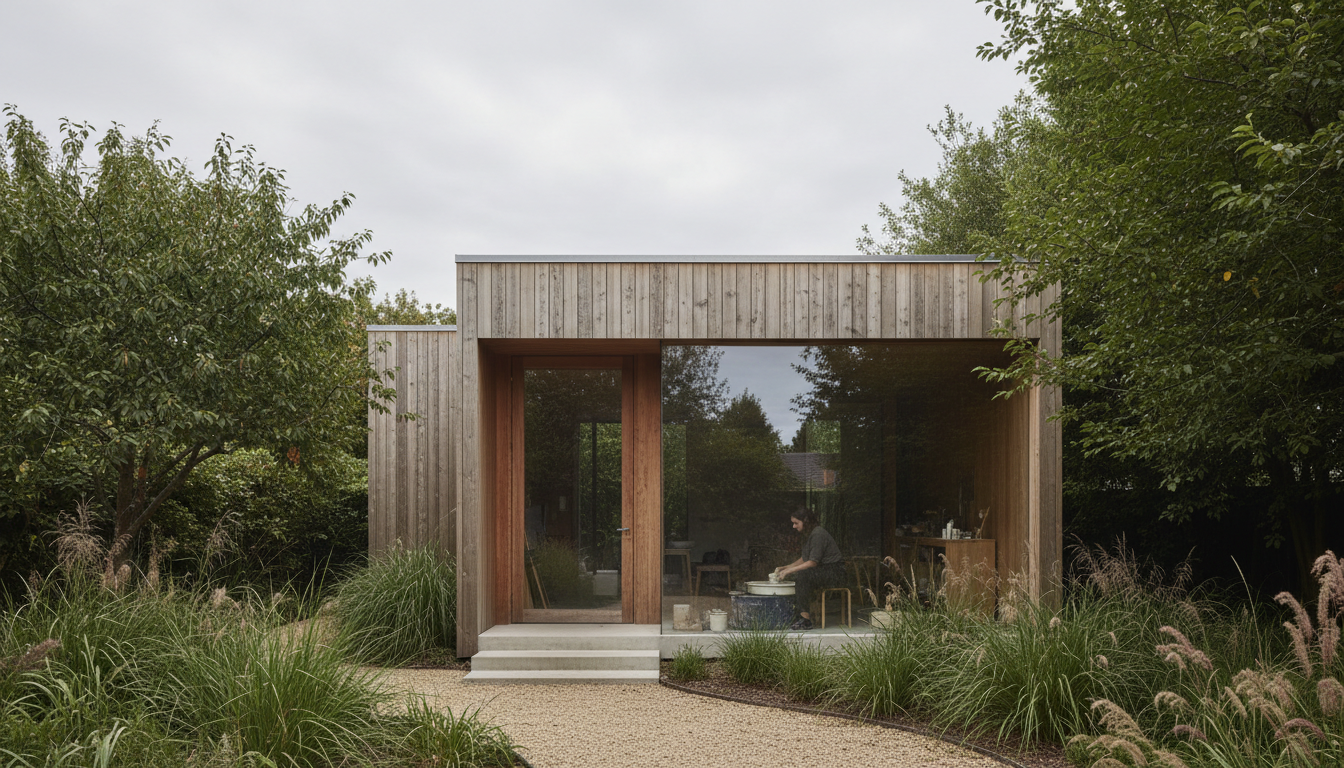
Modern Architecture is Cold and Impersonal
One prevalent misconception is that modern architecture is cold and impersonal. While it often features clean lines and minimalist designs, this style can also be warm and inviting. Architects use materials like wood and glass to create spaces that are both functional and welcoming. The integration of natural light and open spaces further enhances the feeling of warmth.
Lack of Historical Connection
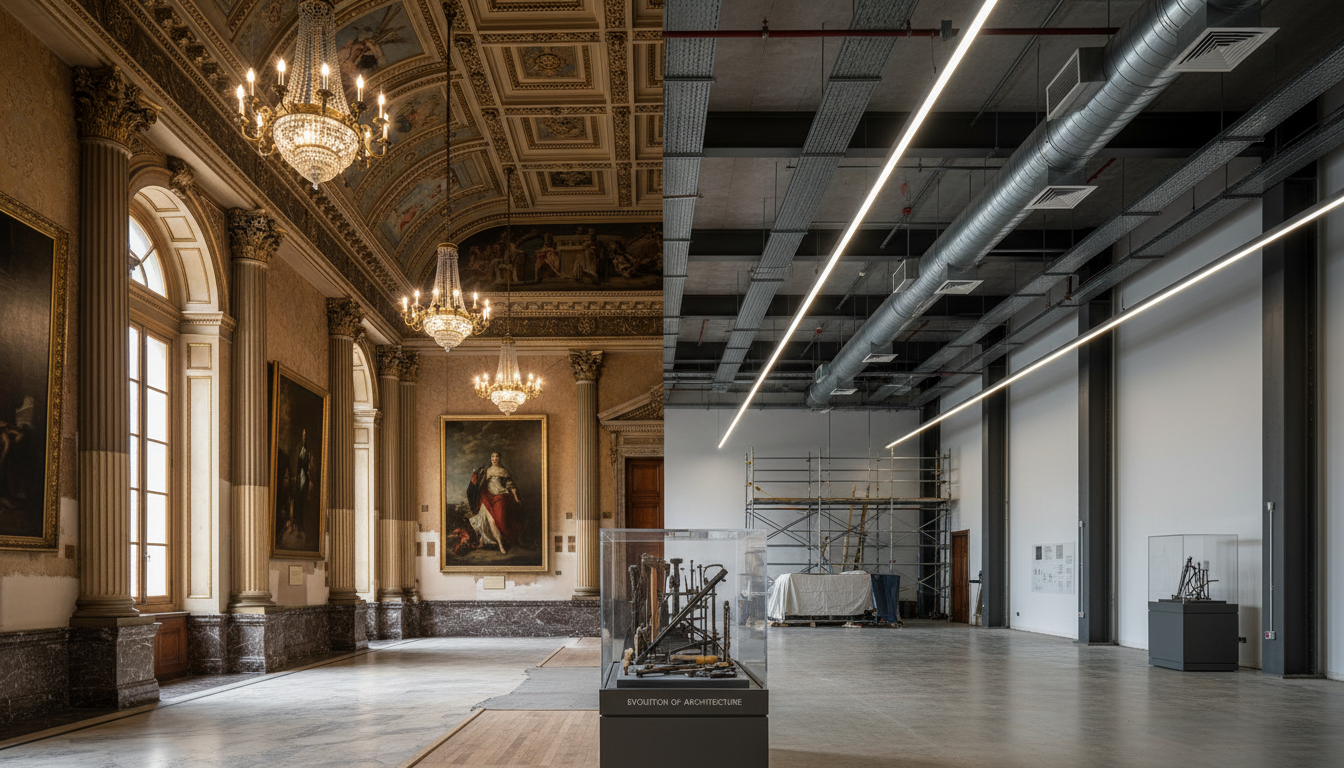
Another misconception is that modern architecture disregards historical context. In reality, many modern architects draw inspiration from historical elements, reinterpreting them in innovative ways. Buildings often incorporate local materials and traditional techniques, bridging the gap between past and present.
Materials and Sustainability
There is a belief that modern architecture relies heavily on materials that are not environmentally friendly. However, sustainability is a core principle of contemporary design. Architects frequently use eco-friendly materials and technologies, such as solar panels and green roofs, to reduce environmental impact.
Monotony in Design
Some critics argue that modern architecture lacks variety and creativity, often perceived as monotonous. However, modern architecture celebrates diversity and innovation. Architects experiment with forms, textures, and colors, creating unique structures that stand out while harmonizing with their surroundings.
Function Over Form
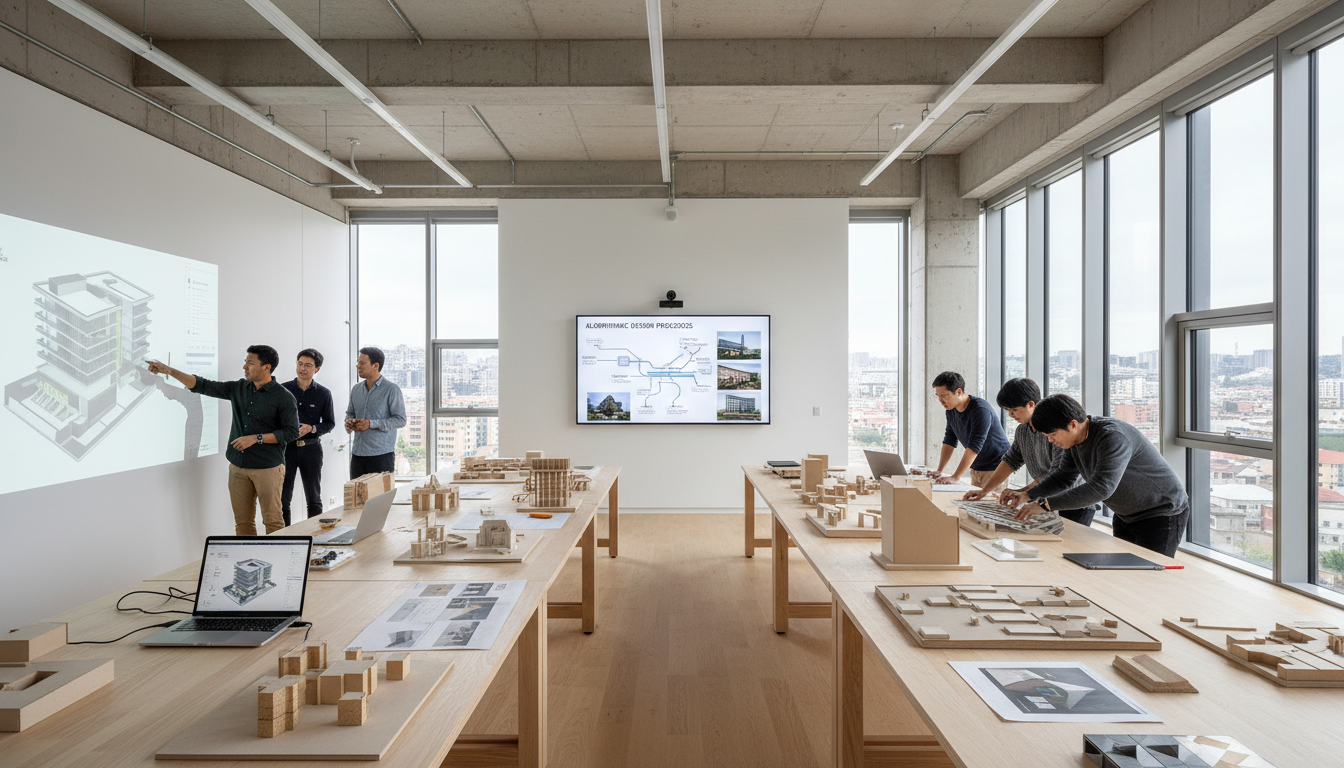
The notion that modern architecture prioritizes function over form is another common misconception. While functionality is essential, modern buildings often achieve a perfect balance between form and function. Thoughtful design ensures that aesthetic appeal is not sacrificed for practicality.
Exclusivity and Accessibility
Lastly, modern architecture is sometimes viewed as exclusive and inaccessible. This is far from the truth. Many modern buildings are designed with inclusivity in mind, ensuring accessibility for all users. Public spaces, in particular, are crafted to be welcoming and accommodating, fostering community engagement.
In conclusion, modern architecture in the UK is a rich and diverse field that goes beyond the stereotypes often associated with it. By challenging these misconceptions, we can better appreciate the thoughtful design and innovation that define contemporary architecture.