
Case Study: Transforming Heritage Buildings with Modern Architecture


Introduction to Heritage Building Transformation
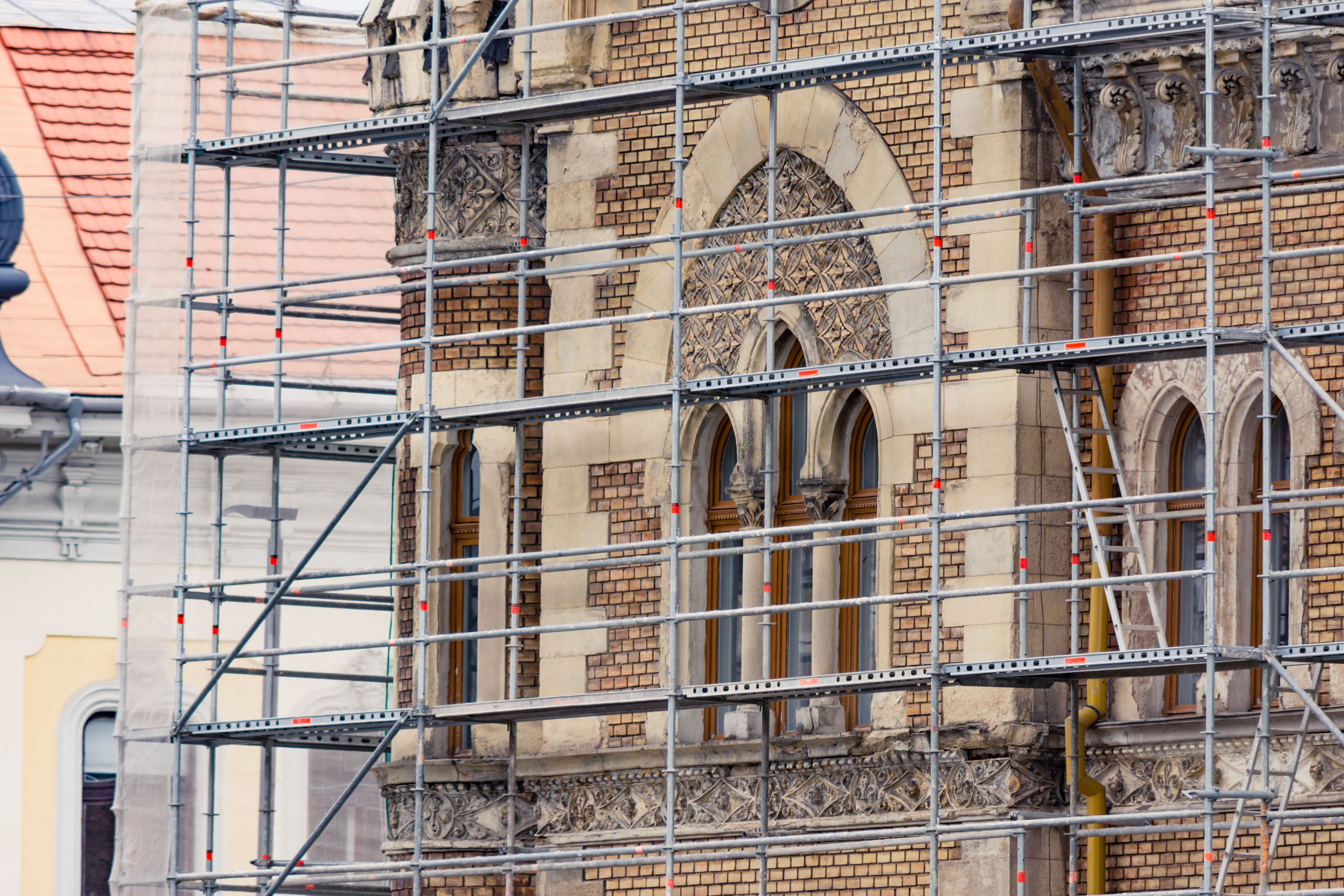
In today's architectural landscape, the fusion of modern design with heritage buildings has become a compelling trend. This approach not only preserves the historical essence of structures but also revitalizes them for contemporary use. By integrating new architectural elements, these buildings gain a new lease on life, balancing tradition with innovation.
The Importance of Preserving Heritage
Heritage buildings are invaluable as they represent cultural narratives and architectural styles of the past. Preserving these structures is crucial for maintaining a tangible connection to history. However, their practical usage often requires adaptation to meet modern needs, which can be a complex yet rewarding challenge.
Challenges in Modernization
Transforming heritage buildings involves several challenges, such as adhering to historical preservation regulations and maintaining structural integrity. Architects must navigate these complexities to ensure that the building's character remains intact while introducing modern functionalities.

Innovative Architectural Solutions
Modern architecture offers innovative solutions to blend old and new. Techniques such as glass extensions, open-plan interiors, and sustainable materials enable architects to enhance the utility and aesthetic of heritage buildings without compromising their historical value.
Case Study: A Successful Transformation
Consider a historical library transformed into a vibrant community center. By incorporating glass walls and eco-friendly technologies, architects created a space that honors its original design while serving modern purposes. This project demonstrates how thoughtful design can breathe new life into heritage sites.
Benefits of Modernizing Heritage Buildings
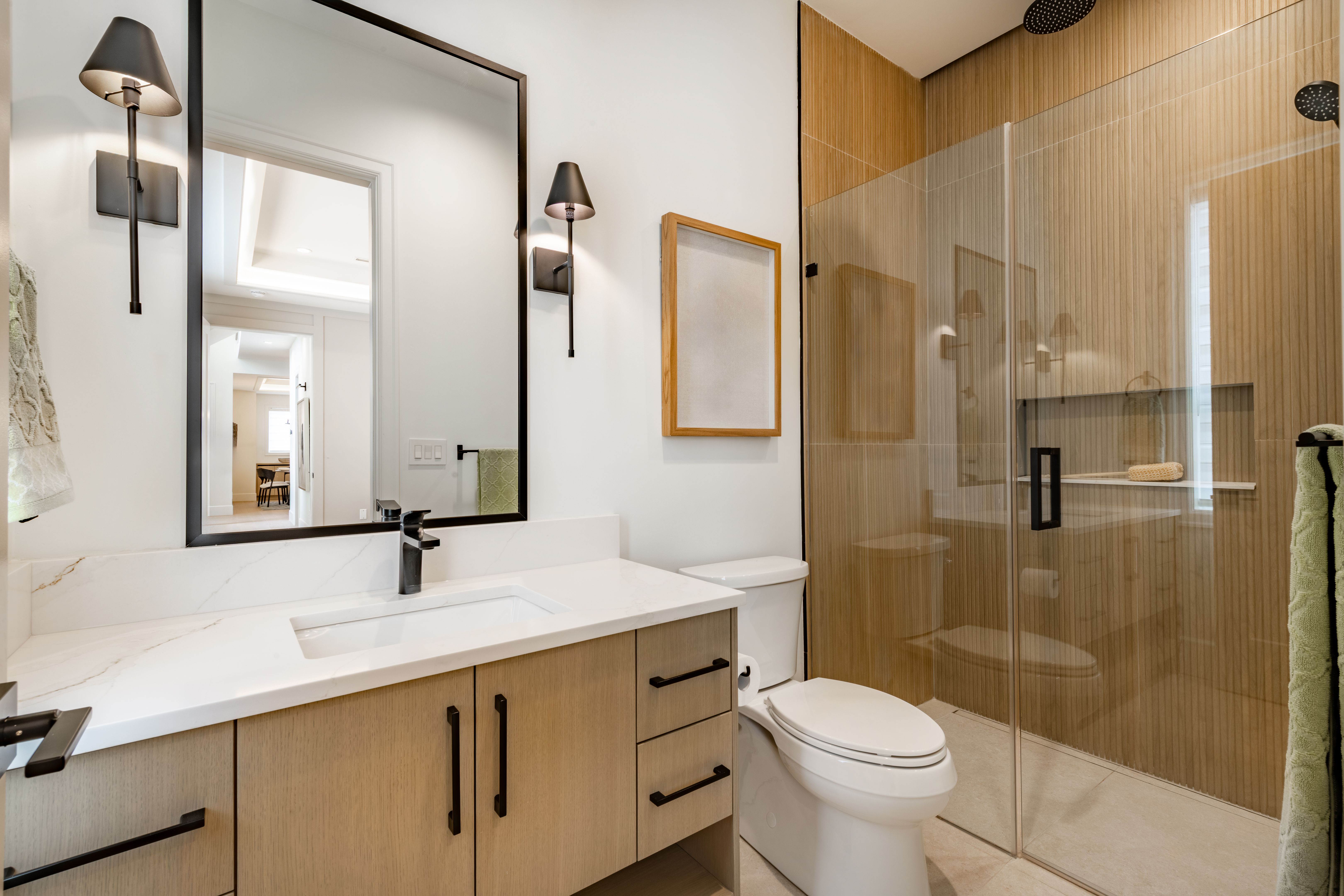
The benefits of transforming heritage buildings with modern architecture are manifold. These projects can boost tourism, enhance community pride, and increase property values. Additionally, they provide sustainable solutions by reducing the need for new construction.
Community and Cultural Impact
Revitalizing heritage buildings can have a profound impact on local communities. It fosters a sense of identity and pride, encourages local engagement, and promotes cultural continuity. The blend of old and new also attracts visitors, creating economic opportunities.

Conclusion: The Future of Architectural Transformation
As we look to the future, the trend of transforming heritage buildings with modern architecture is poised to grow. This approach not only preserves the essence of the past but also meets the demands of the present and future. Architects, planners, and communities must collaborate to ensure these transformations are both respectful and innovative.