
Case Study: Transforming a Historical Building into a Modern Commercial Space in the UK


Introduction
Transforming a historical building into a modern commercial space is a delicate balancing act that blends the charm of the past with the demands of the present. This case study explores a successful transformation in the UK, showcasing the challenges and triumphs encountered along the way.
Preserving Historical Integrity
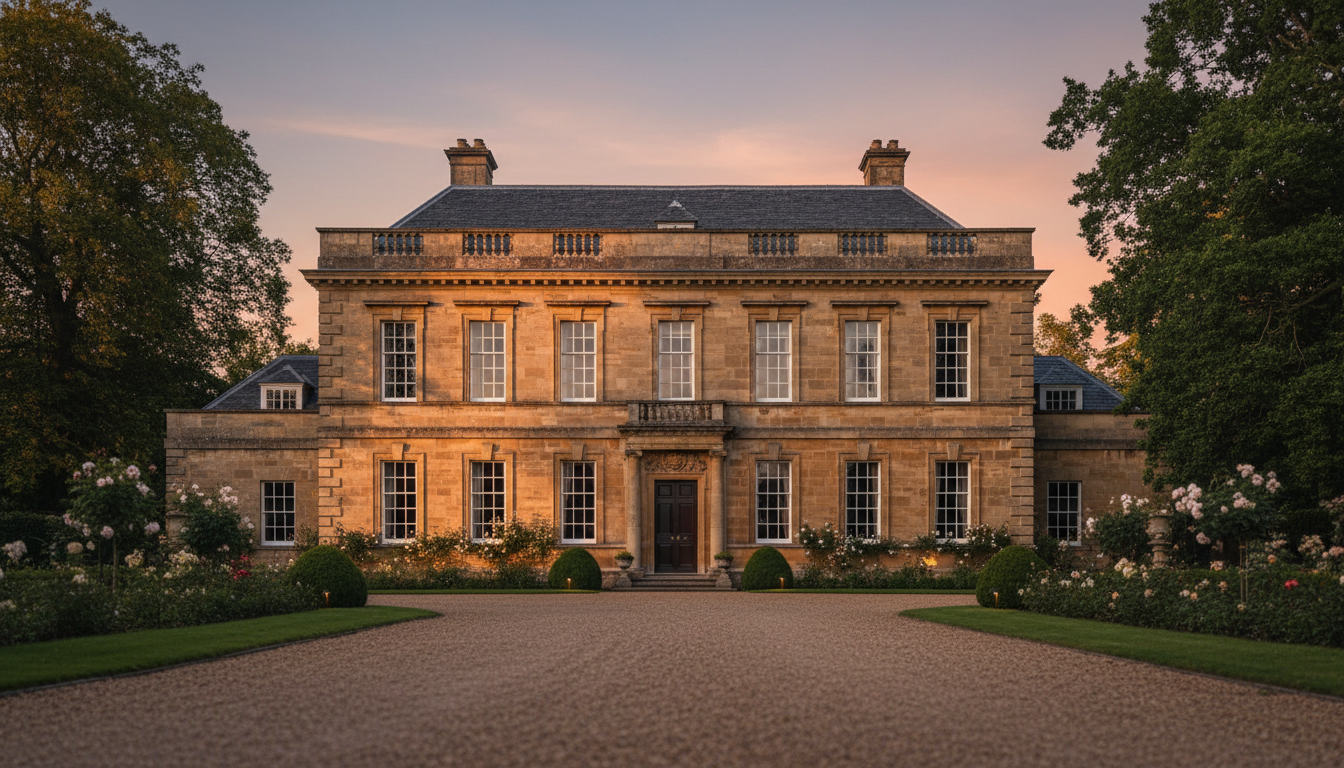
The first step in this transformation was ensuring the preservation of the building's historical integrity. The architects and designers worked closely with heritage conservationists to maintain the original facade and key architectural elements. This approach not only honored the building's past but also added unique character to the commercial space.
Challenges in Preservation
One of the main challenges was adhering to strict regulations that govern changes to historical sites. The team had to creatively integrate modern amenities without compromising the original structure. This required innovative solutions, such as using reversible modifications and selecting materials that matched the historical context.
Integrating Modern Design
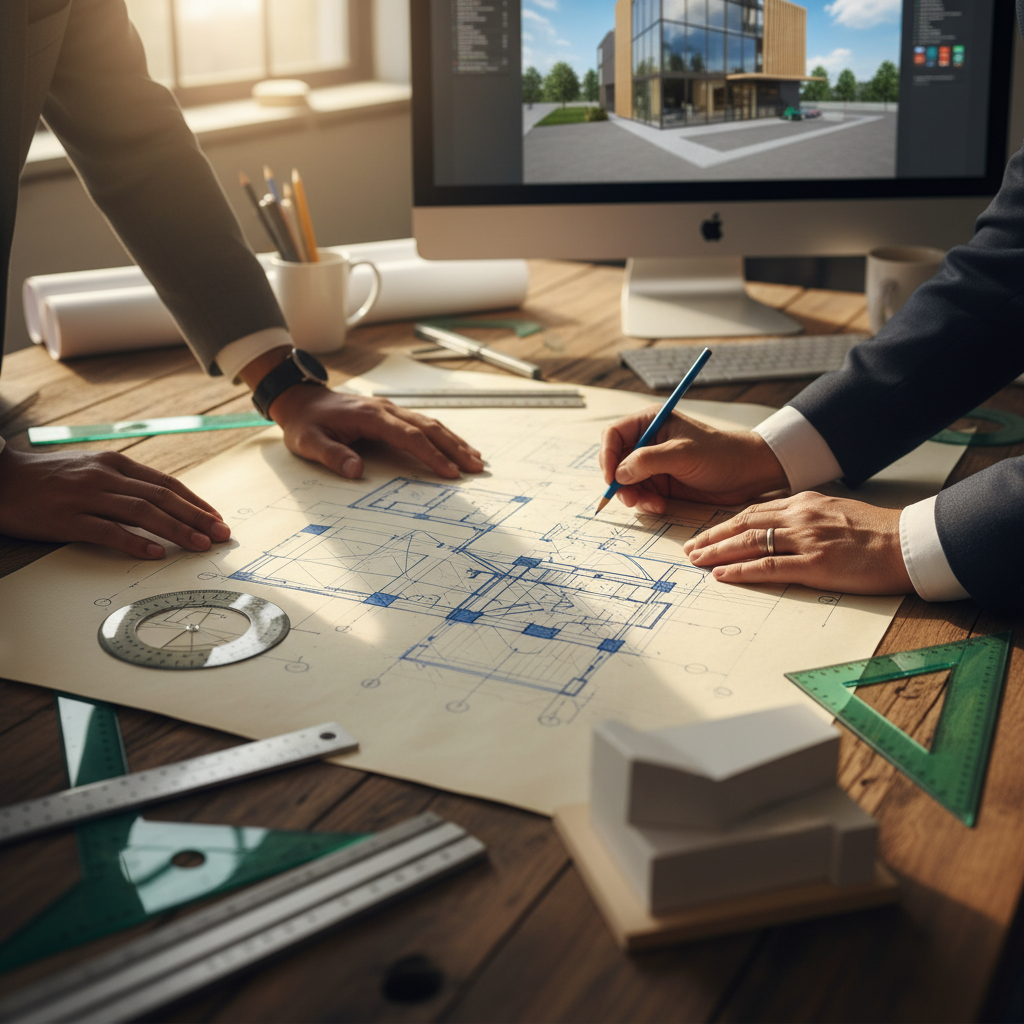
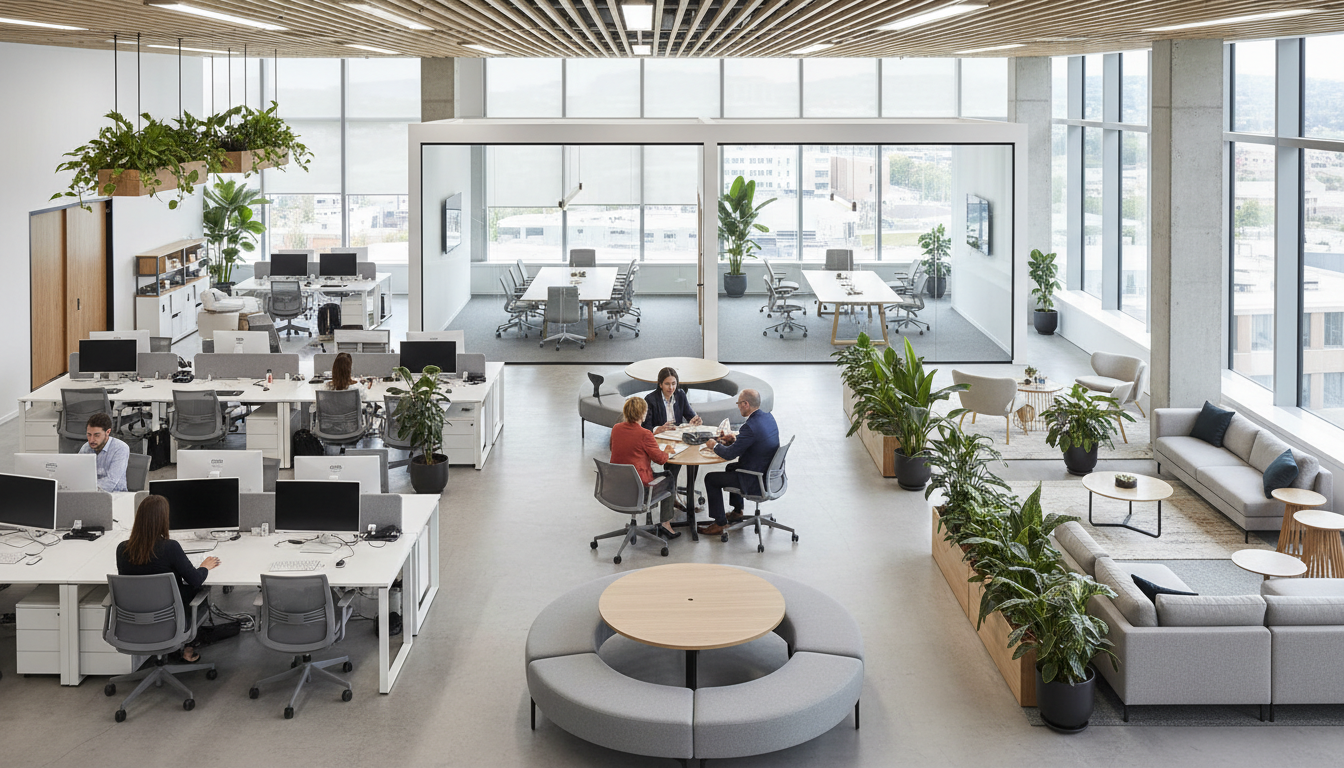
While preserving the building's heritage was crucial, integrating modern design elements was equally important to make the space viable for commercial use. The interior design focused on creating an open, inviting atmosphere while incorporating state-of-the-art facilities.
Key Design Features
- Open-plan layouts to encourage collaboration and flexibility.
- Energy-efficient lighting and climate control systems.
- Use of glass and steel to contrast with traditional materials.
The Role of Technology
Technology played a pivotal role in this transformation. Smart building solutions were implemented to reduce energy consumption and enhance convenience for tenants. These included automated lighting systems and advanced security features, demonstrating how technology can seamlessly integrate into historical settings.
Benefits of Smart Solutions
The incorporation of smart technology not only improved operational efficiency but also attracted tech-savvy businesses looking for innovative workspaces. This approach highlighted the potential for historical buildings to meet modern business needs.
Community Impact
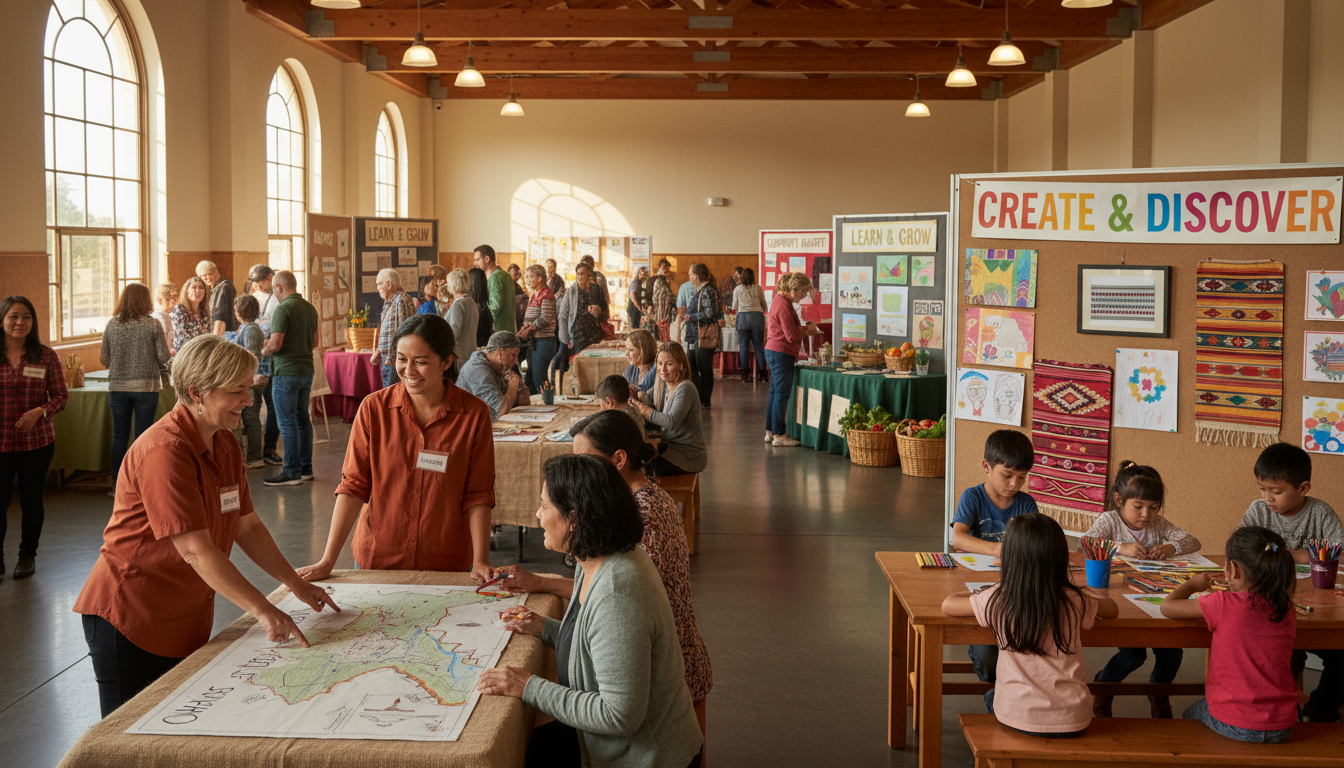
Beyond aesthetics and functionality, the transformation had a significant impact on the local community. The revitalization of the building breathed new life into the area, boosting local businesses and creating job opportunities. It became a focal point for community events and activities, fostering a sense of pride and connection among residents.
Conclusion
The successful transformation of this historical building into a modern commercial space serves as an inspiring example for future projects. By respecting the past while embracing the future, it demonstrates how historical structures can be preserved and adapted for contemporary use. This case study not only showcases architectural and design excellence but also highlights the broader benefits such transformations can bring to communities.